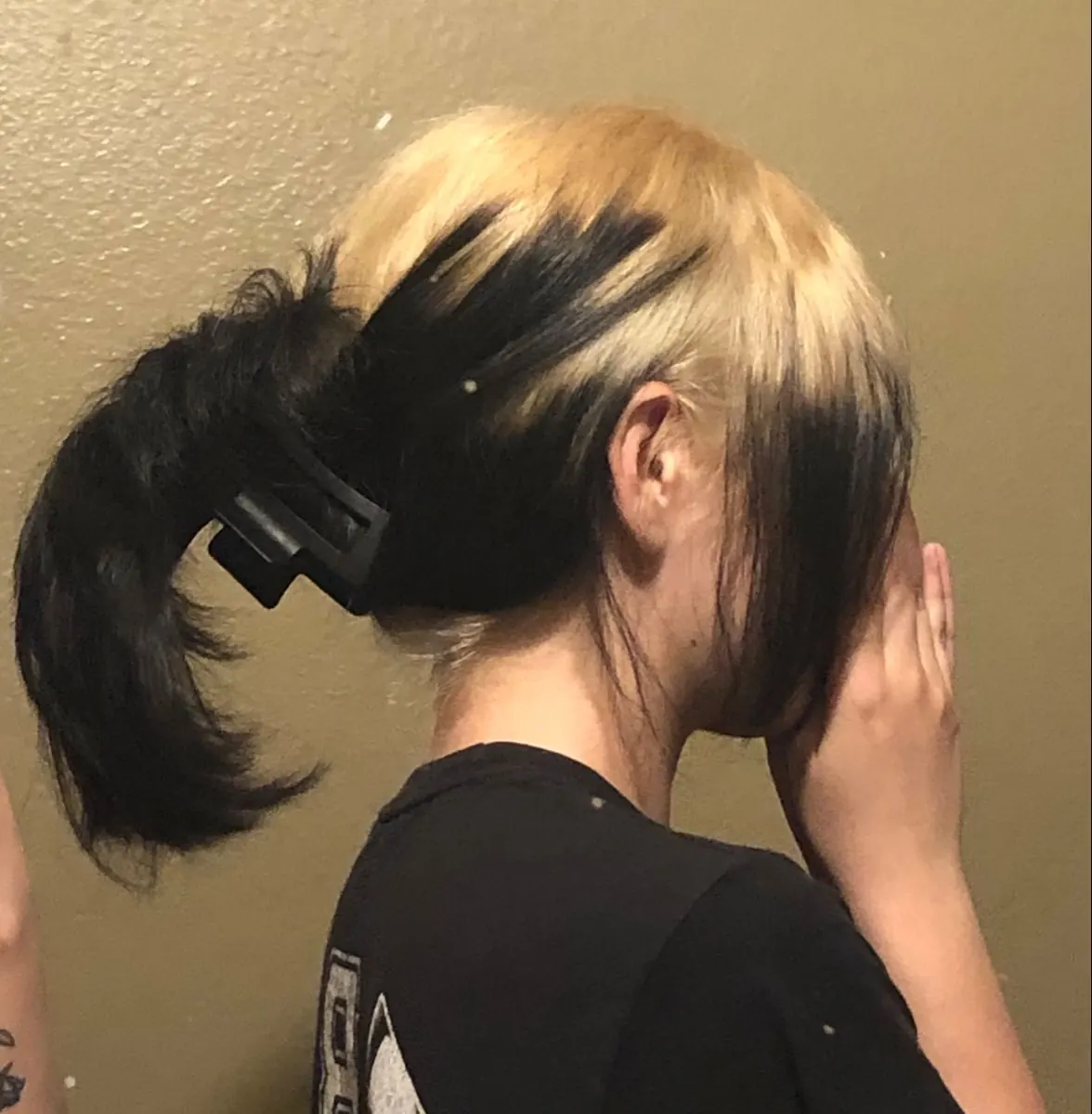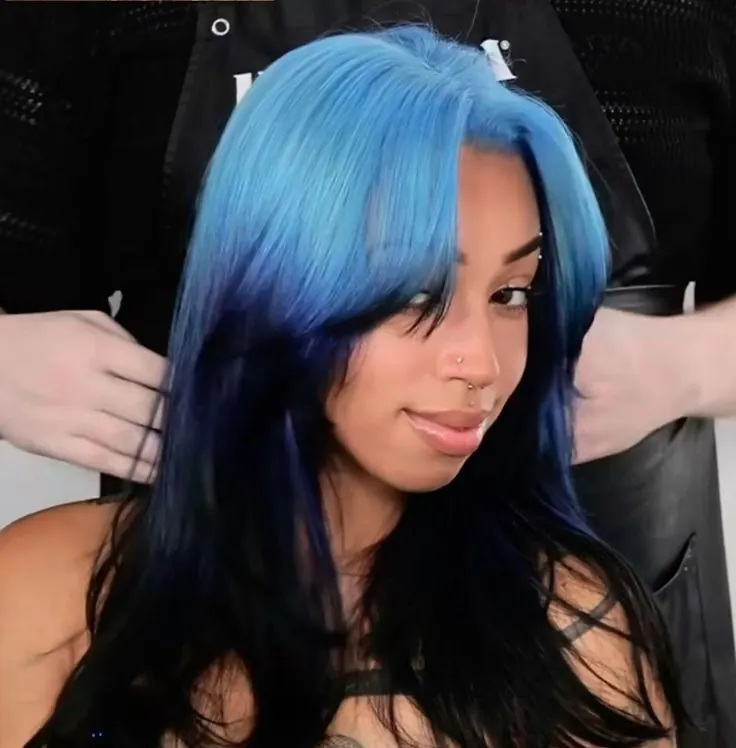
There is no single useful price for ghost roots. A narrow refresh on hair that is already light enough is a different appointment from lifting a broad crown panel out of old dark dye, toning it pale silver, and fitting the color around a new haircut. The most reliable way to budget is to identify the work, ask what the salon includes, and compare an itemized quote.
This guide does not present a national average. Salon pricing changes by location, experience level, hair history, service time, product use, and the exact result. Instead, it gives you an itemized planning model that you can fill with prices from a salon you are actually considering.
Interactive Planning Model
Build an itemized appointment estimate
Enter the starting service price from a salon you are considering, then add only the steps your consultation is likely to need. The result is an illustration, not a market average or a quote.
The Six Parts of a Ghost Roots Quote
1. Consultation And Section Design
Ghost roots are placement-led color. The stylist needs to decide where the contrasting area begins, how wide it is, whether its edge is crisp or diffused, and how it behaves when the hair is parted or moved. A center stripe, fringe panel, face frame, crown panel, and hidden underlayer are not interchangeable.
Bring two or three references that show the root boundary clearly. A front portrait alone may hide the crown. A top or side view can help the stylist see the section you mean. If you are still choosing a placement, compare the visual tests in what ghost roots are before requesting a quote.
2. Pre-Lightening
Bright blue, green, pink, silver, white, pastel, and many clear red results need a lighter canvas. The amount of lift depends on the starting shade, old color, condition, and target tone. Previously colored hair can require a strand test or a staged plan rather than one aggressive session.
Ask whether lightener is included in the base service, billed by the bowl, or priced by time. Also ask what happens if the first strand test does not reach the level needed for the reference image.
3. Toner, Gloss, or Vivid Color
Lightening creates the canvas, not necessarily the finished shade. Blonde, silver, white, and muted colors may need toner or gloss. Red, blue, green, pink, purple, and teal usually need a direct or vivid color application after the lift. Some appointments use both.
This distinction matters when comparing quotes. A low figure that excludes toner, vivid color, or gloss may not describe the finished service you expect.
4. Bond Support And Condition Limits
Bond-support products may be included, optional, or charged separately. They do not make every lightening plan safe, but they can be part of the service when the root zone is being lifted. The stylist should still assess elasticity, old lightener, overlapping color, and scalp condition.
If the hair is fragile or uneven, the safer budget may include more than one appointment. A staged result costs more time but may avoid turning an inspiration photo into correction work.
5. Cut And Finish
The color should be checked in the way the haircut is worn. Bangs, bobs, shags, curls, and loc rows can expose or hide a root panel. A cut or finish may therefore be part of the design rather than an unrelated add-on.
If you are changing the haircut too, ask whether the stylist wants to cut before mapping the color, refine the cut after coloring, or book the services separately. The short-hair guide shows why trim timing changes the visible section.
6. Refresh Plan
The first appointment is only half the budget. A vivid shade may need a depositing refresh. Silver and white can need toner support. A fringe panel may be trimmed and washed more often than a hidden crown panel. A softer blonde or taupe placement may tolerate more grow-out.
Ask for the likely refresh service, what can safely be maintained at home, and which change means it is time to return. The maintenance guide separates tone refresh, placement refresh, and corrective work.
Three Sample Budgets That Show The Calculation
The figures below are examples for learning how an itemized quote works. They are not claims about what a salon should charge. Replace every amount with the menu or consultation figures from your chosen salon.
| Planning scenario | Illustrative line items | Example calculation | What to confirm |
|---|---|---|---|
| Existing vivid panel needs color only | Base service $70 + vivid application $45 | $115 | Whether wash, finish, and extra color are included |
| New dark-hair panel needs lift and red | Base service $90 + lightening $85 + vivid color $55 + bond support $35 | $265 | Strand test, amount of lift, and whether one session is realistic |
| Pale silver placement with a cut | Base service $100 + lightening $85 + toner $45 + bond support $35 + cut or finish $45 | $310 | Whether the target can be reached safely and what the toner refresh costs |
These examples are intentionally transparent. If your salon uses hourly pricing, place the estimated service-time total in the base field and add only separately billed steps. If it offers a bundled creative-color package, use that package as the base and avoid counting included services twice.
What Tends to Make The Appointment Simpler
A quote is often easier to predict when the selected section is small, the hair is already light enough, the color history is known, and the new shade is close to the existing result. A refresh of an established panel is easier to describe than a first-time transformation.
A deeper burgundy, navy, forest green, or rich purple may require a different canvas from icy white or pastel. That does not automatically make every deep shade cheap or every pale shade possible. It simply changes the technical conversation.
What Can Make The Quote Expand
Old box dye, uneven banding, overlapping bleach, high density, long processing time, several color zones, loc rows, corrective toning, and a major cut can all change the plan. The quote may also change after a strand test if the hair lifts warmer or less evenly than expected.
Do not choose a reference only by color name. Show the placement, base shade, texture, and finish. A stylist can price a clear request more accurately than “red roots” or “silver roots” without a visible boundary.
Salon Quote Checklist
Take these questions to the consultation:
- Which service name will be booked for this result?
- Is the consultation or strand test included?
- Does the quote include lightener, toner, vivid color, gloss, bond support, wash, cut, and finish?
- Are extra product bowls or additional time billed separately?
- Can the target be completed in one appointment without compromising the hair?
- If not, what result is realistic after the first session?
- What is the expected refresh service?
- Which maintenance products are essential, and which are optional?
- What change would turn this into corrective color?
Save the written answer. It gives you a better comparison than a single total with no service breakdown.
Choosing The Budget Before The Color
If you want fewer toner appointments, compare warmer or deeper placements with pale white and silver. If you want a small, visible change, a controlled fringe, part, or face-frame section may make more sense than a broad crown design. If you want the color to soften between visits, review grown-out ghost roots before settling on a hard edge.
The right budget is the one that covers the safe first appointment and the maintenance you are willing to continue. Use the planner above with actual salon figures, then bring the itemized questions to the consultation.
Ghost Roots Cost Questions
How much do ghost roots usually cost?
There is no dependable universal price. The useful total is an itemized quote based on consultation, section design, lightening, toner or vivid color, bond support, product use, cut or finish, and the number of sessions.
Why are ghost roots more expensive than a normal root touch-up?
A normal root touch-up often matches existing color. Ghost roots may need placement mapping, lightener, toner, vivid dye, bond support, gloss, extra processing time, and a finish that confirms the color works with the haircut.
Can I calculate a ghost roots budget before booking?
Yes. Start with the salon's base service amount, add only the separately billed steps your consultation needs, and include every planned session. The calculator on this page is an illustration and should be replaced with real salon figures.
What should I ask before booking?
Ask whether the quote includes lightener, toner, vivid color, gloss, bond repair, blow-dry, extra product charges, consultation, strand test, and refresh pricing. Also ask what happens if your hair does not lift enough in one session.
Visual Ideas
See Which Visual Details Change The Salon Quote
These examples are framed as quote drivers: pale lift, silver toner, vivid refresh, locs, short precision work, density, and corrective color risk.
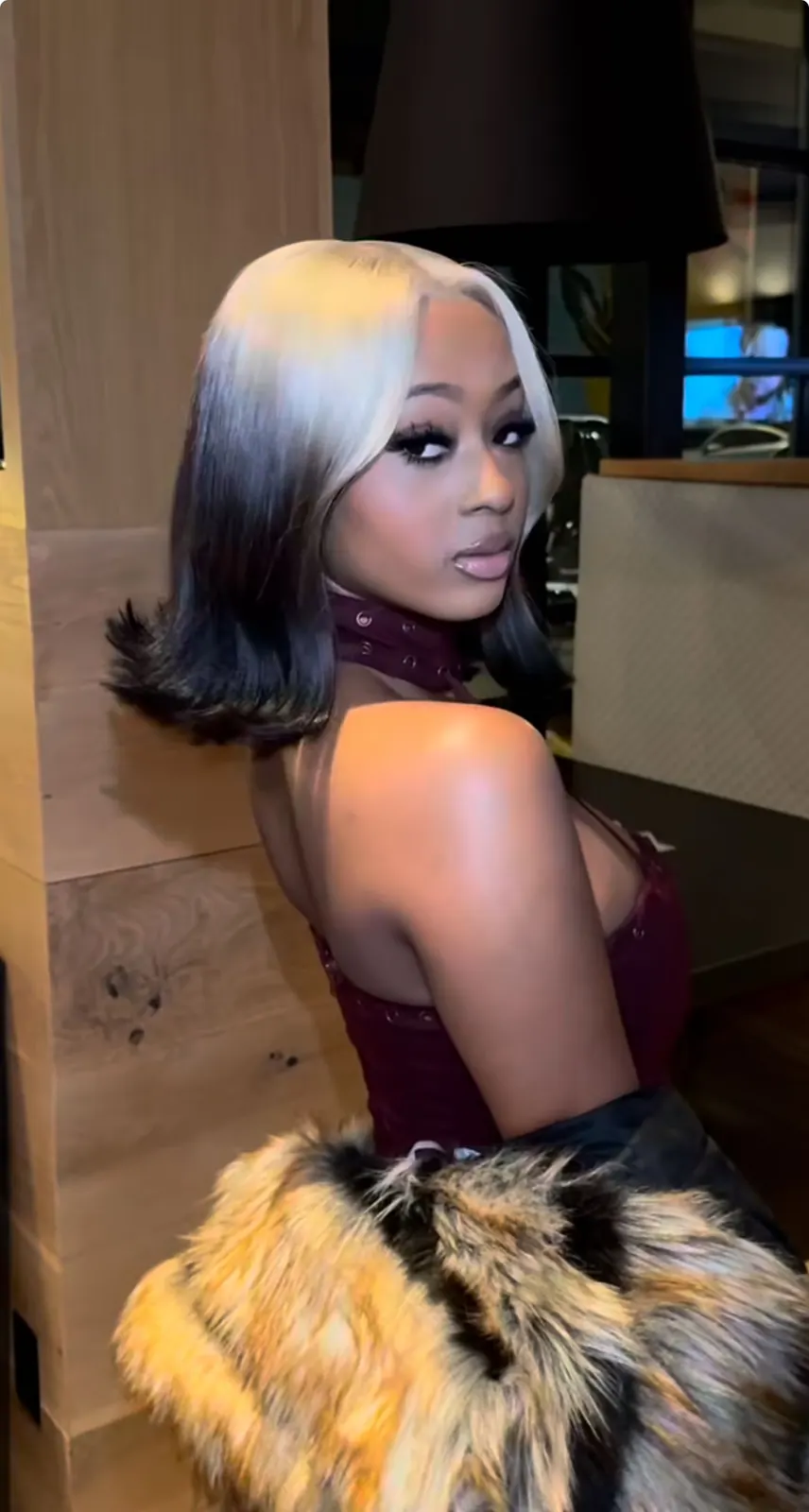
Platinum Money Piece Lift
A smaller face-frame placement can still cost more when dark hair has to lift cleanly to platinum.
This kind of platinum money-piece root is usually priced beyond a basic root touch-up because it may need lightener, toner, bond care, and careful face-frame placement.
Dark hair must lift cleanly before platinum can look bright instead of yellow or orange. The brighter the blonde, the more the appointment depends on controlled processing and toner.
Ask whether the quote includes bleach, toner, bond repair, and a blow-dry, and whether the blonde can be reached in one appointment.
Budget for purple shampoo used carefully, bond repair, heat protectant, and toner or gloss refreshes.
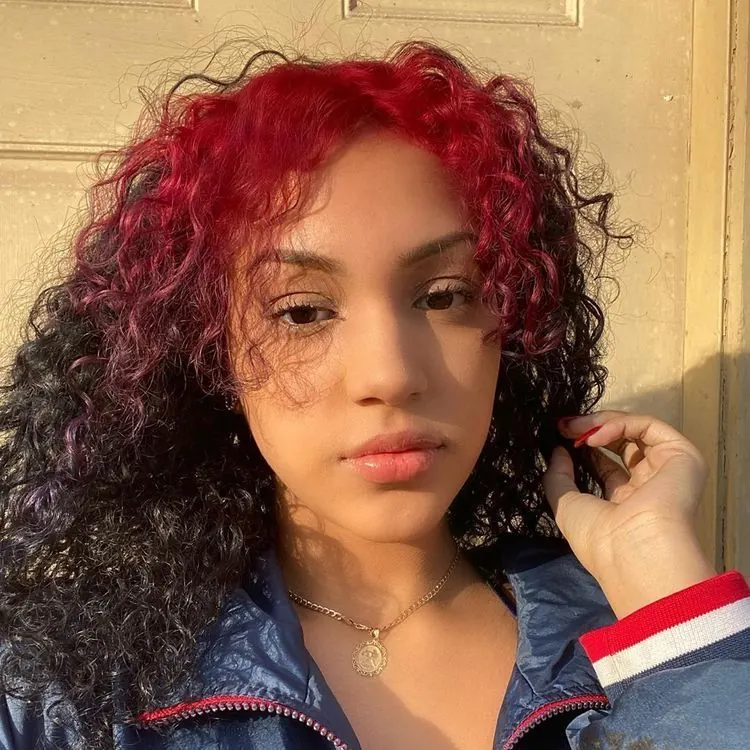
Vivid Red Density And Length
Vivid red can be simpler than silver, but long or dense hair can raise the quote.
This red top-panel look shows why density and curl pattern matter: the stylist may need more sectioning time, more product, and a refresh plan.
Deep red may not need as pale a lift as platinum, but bright crimson still has to show clearly at the root zone and can fade quickly.
Ask whether the price changes for dense, curly, or long hair, and whether a red refresh mask is part of the maintenance plan.
Budget for red-depositing conditioner, color-safe shampoo, cool rinses, and earlier refreshes than neutral colors.
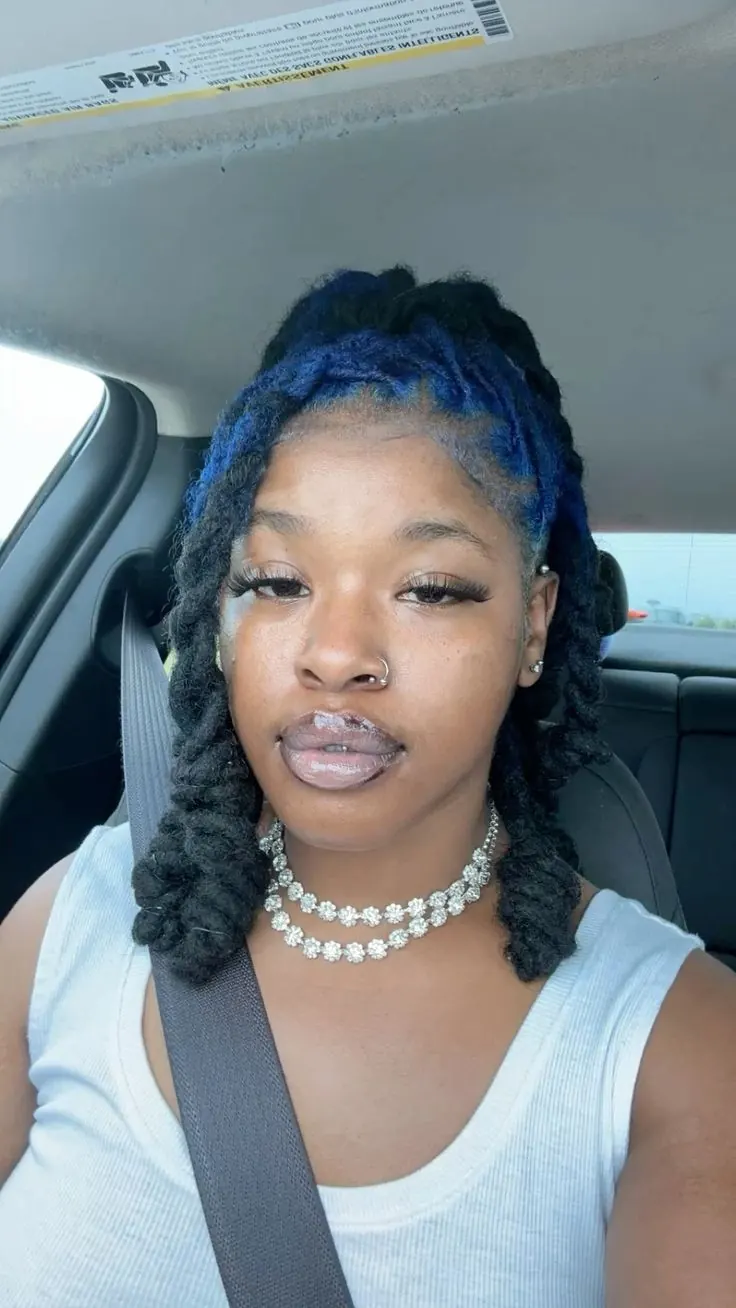
Blue Locs Specialty Pricing
Locs can change the price because the stylist has to work around rows, buildup, and the way the style is worn.
This blue locs placement may need a stylist or colorist who understands locs, careful row selection, and residue-conscious color planning.
Locs can hold buildup and old color, so vivid roots may need a strand test, slower processing, or a more conservative shade choice.
Ask whether the salon colors locs, whether a strand test is required, and whether the quote changes by loc size or density.
Budget for residue-conscious cleanser, blue refresh product, lightweight moisture, and possible professional touch-ups.
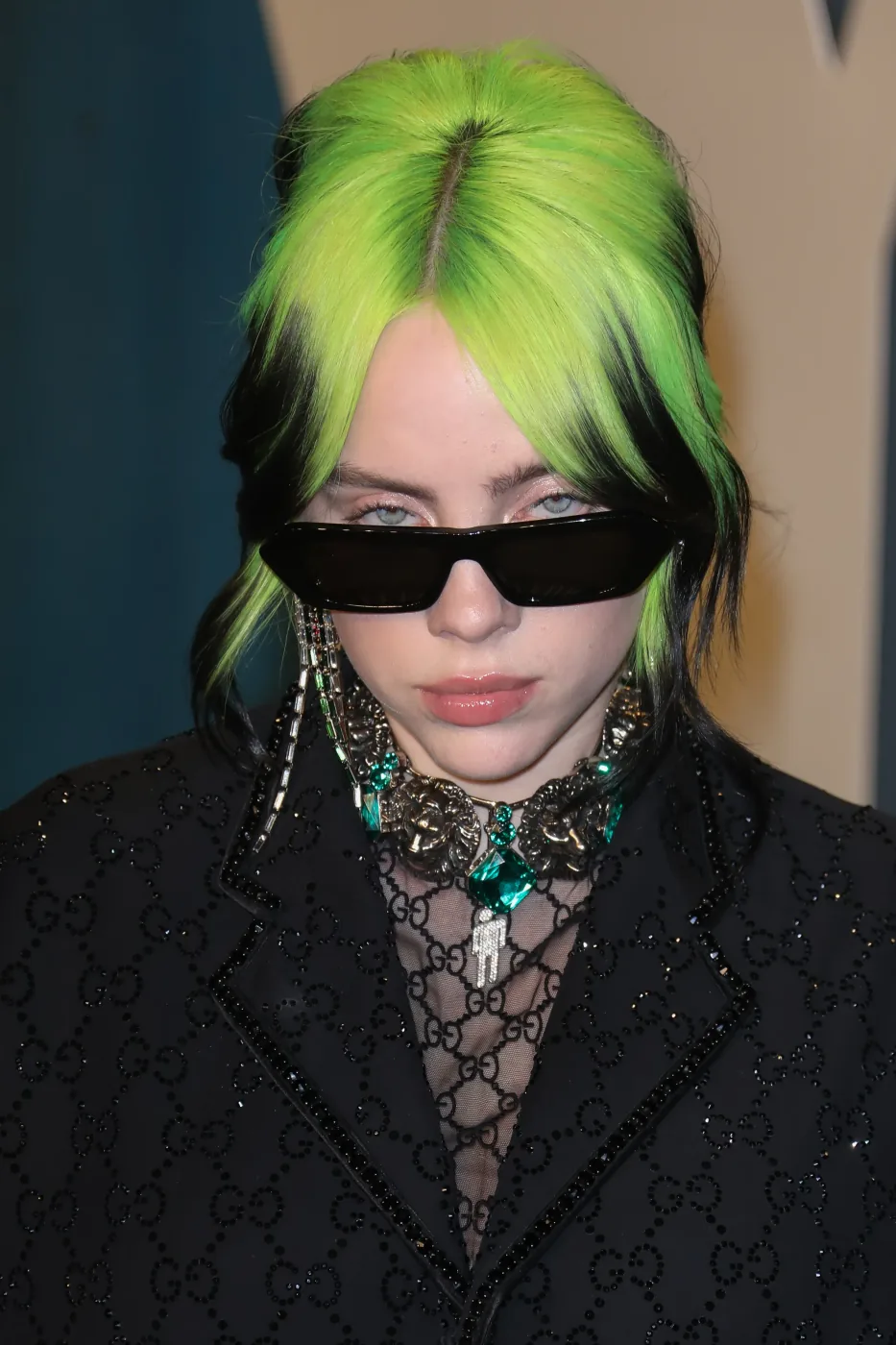
Short Green Precision Work
Short hair does not always mean cheap if the color placement is precise and graphic.
A short neon split-fringe placement can require exact sectioning, clean lift, vivid color, and a haircut that supports the root line.
Because the hair is short, every uneven edge shows. Precision placement can cost more than the amount of hair suggests.
Ask if the cut and color should be booked together, and whether the quote includes vivid dye plus haircut cleanup.
Budget for frequent trims and green refresh product so the split-fringe line stays intentional.
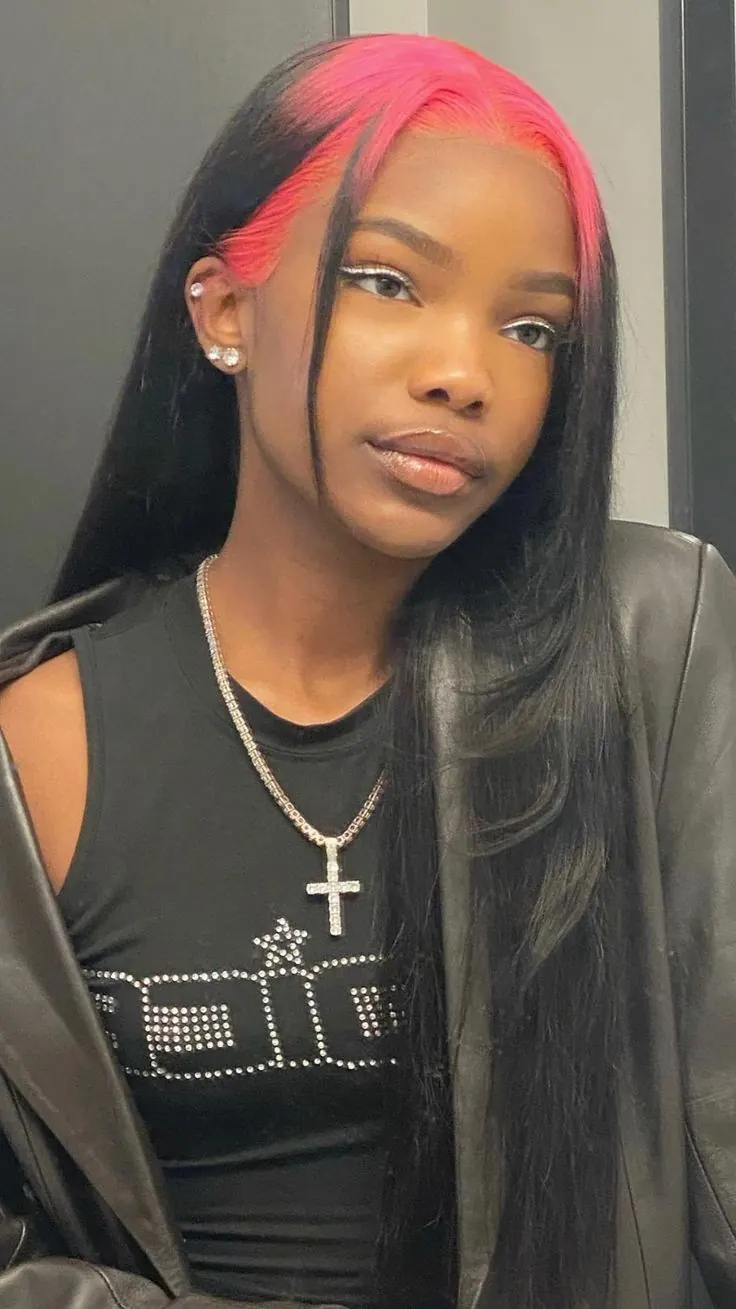
Hot Pink Pre-Lightening And Refresh Cost
A concentrated hot-pink panel uses less surface area than all-over color, but the dark root zone may still need a clean lift before pink is applied.
The visible center stripe is narrow, yet the quote can still include pre-lightening, vivid dye, bond support, and detailed sectioning to keep the pink away from the black lengths.
Bright pink exposes uneven lift quickly. Previous box dye or vivid color can add a strand test, color removal, or another lightening session even when the target panel is small.
Ask whether the estimate covers lightening, the hot-pink deposit, bond care, and the first color refresh, and disclose every previous color service before booking.
Budget for pink refresh masks, color-safe washing, and possible glossing if the tone fades unevenly.