Ghost roots on locs work differently from ghost roots on loose hair because the parting, scalp pattern, loc size, and individual rows all affect how the color reads. The best version looks planned around the root area instead of randomly dyed through the length.
For locs, placement matters as much as color. A small blonde money-piece row, cobalt top panel, teal crown panel, side-panel flash, or side-shaved blonde section can look stronger than coloring every loc because the eye follows the scalp pattern first.
Visual Ideas
Color Mapped to Rows, Selected Locs, And Exposed Parts
These locs references show how ghost roots can work through selected locs, visible part rows, crown panels, face-framing pieces, and high-contrast color sections.

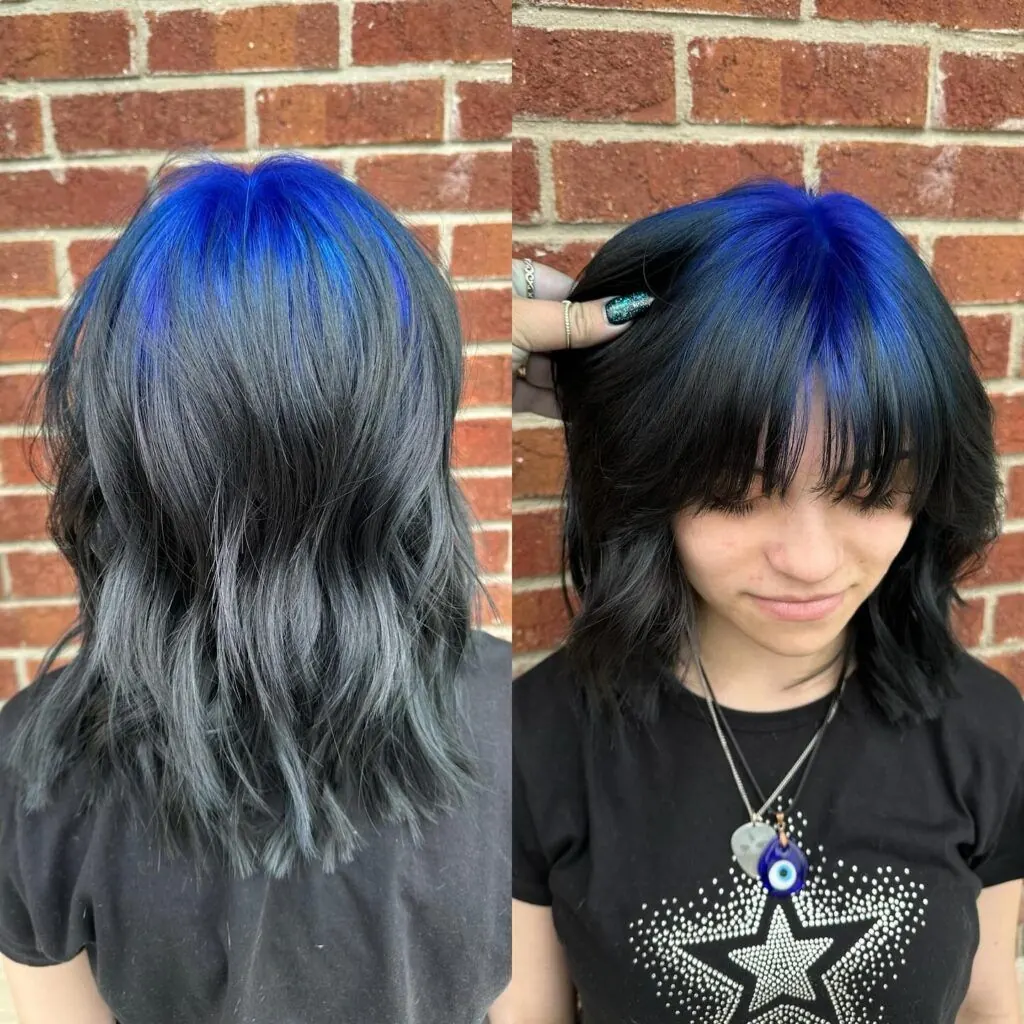
Cobalt Blue Top-Panel Locs
A vivid blue locs placement where the color is concentrated through the top root zone.
Medium black locs with cobalt blue ghost roots placed through a visible top panel.
Cobalt has enough depth to contrast against black locs while still reading bright near the scalp.
Medium locs, top panels, car-selfie styling, and vivid color that should show without coloring every loc.
Refresh with blue color-depositing conditioner before the tone turns smoky or greenish.
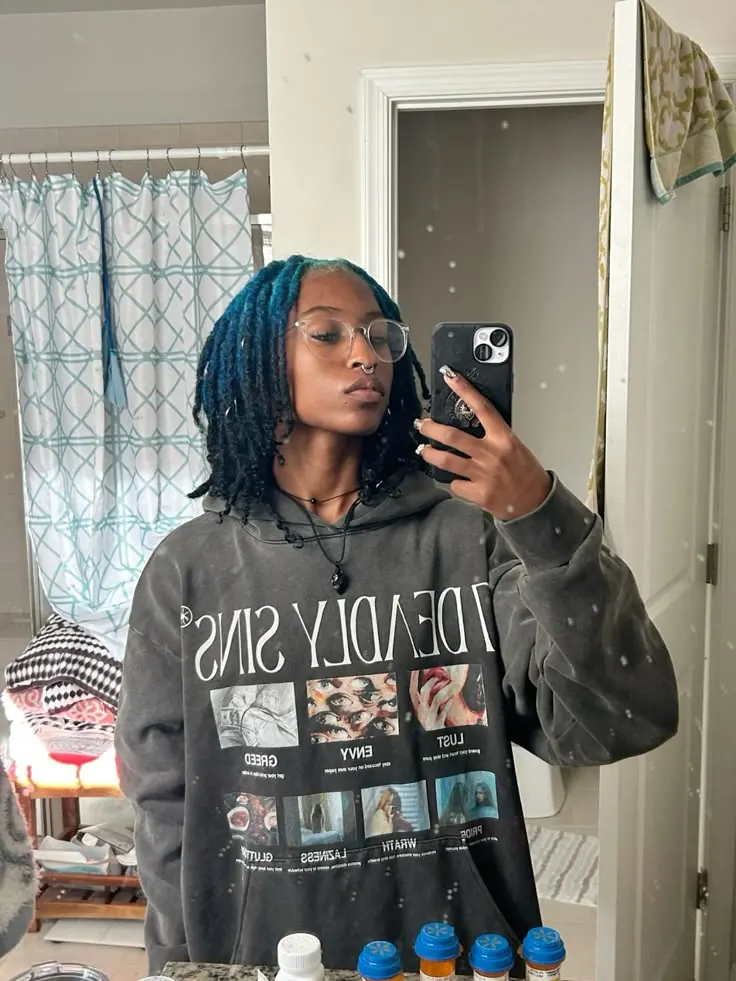
Teal Blue Crown-Panel Locs
A crown-focused locs look where teal blue roots show through the top and upper rows.
Medium black locs with teal blue ghost roots concentrated around the crown panel.
The crown placement keeps the color visible when the locs move, especially in mirror selfies and half-up styling.
Medium locs, crown rows, teal-blue color, and people who want a cooler vivid shade than green.
Use teal refresh products carefully so the color does not drift too green or muddy.

Turquoise Curly Locs Top Panel
A brighter turquoise version for curly locs where the root color sits on the top rows.
Medium curly black locs with turquoise blue ghost roots in a visible top-panel placement.
The curl texture breaks up the turquoise so the color feels dimensional instead of like one flat block.
Curly locs, top panels, bright blue-green color, and medium lengths that need movement.
Keep moisture lightweight and refresh turquoise before it fades pale or green.
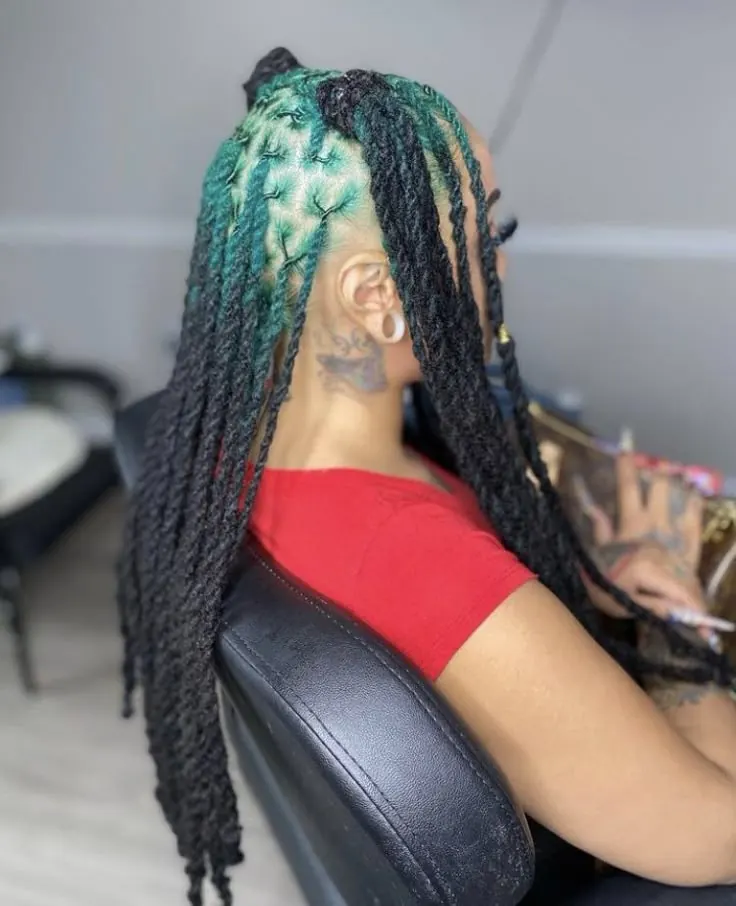
Teal Green Side-Panel Locs
A side-panel locs look where teal green roots show from the profile instead of the center part.
Long black locs with teal green ghost roots placed through one side panel.
The side placement creates a flash of color when the locs turn or shift, which keeps the look more subtle than a full front panel.
Long locs, side parts, side-profile color, and people who want vivid roots with a slightly hidden reveal.
Keep buildup low near the side panel so the teal-green contrast stays visible.
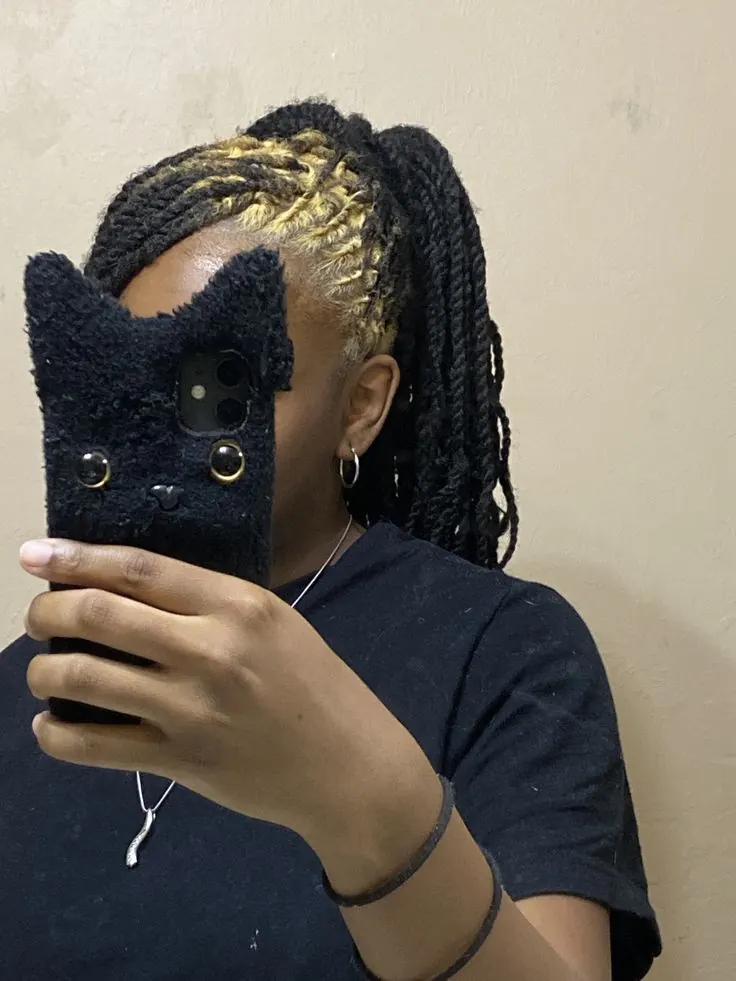
Gold Blonde Side-Shaved Locs
A side-shaved locs reference where gold blonde roots sit in the exposed side panel.
Long black locs with gold blonde ghost roots around a side-shaved panel and visible scalp rows.
The shaved side gives the blonde a clear shape, so the color reads as planned root contrast instead of random blonde through the locs.
Side-shaved locs, exposed parting rows, undercut-adjacent styles, and warm blonde root contrast.
Keep the side shape fresh and the blonde rows free of heavy buildup.
Color Must Stay Readable at The Scalp And Along Selected Locs
Blonde, blue, teal, copper, red, silver, and purple are the strongest ghost roots colors for locs because they show clearly at the scalp and through the first few inches of each loc. The right choice depends on how much lift your hair can handle and how much contrast you want against the base color.
Blonde ghost roots are the easiest to recognize from a distance, especially on black soft locs or side-shaved loc rows. Blue and teal feel vivid and editorial, but they need a clean enough base and a refresh plan so they do not fade muddy. Silver looks cool and sharp, but it is usually the most demanding because the locs need to lift very light before toner can work cleanly. Copper and red feel warmer and can look more natural when the rest of the locs are dark brown or black.
If your locs are fragile, heavily coated, relaxed, or previously colored, start with warmer blonde, copper, burgundy, or deeper blue instead of trying to force pale silver or pastel in one appointment.
Use Part Rows, Crown Rows, or Face-Framing Locs as The Map
A middle part is the cleanest placement because the eye follows the part line immediately. Crown placement works well when the locs are worn down, half-up, or loosely pulled back. A top panel works when the first visible rows are the main feature, while a side panel gives a softer flash of color from the profile.
Face-framing locs are another strong option. If only the front locs are colored at the root, the look can feel bold without changing the whole head. On side-shaved locs, the exposed section can carry the entire ghost-root story because the parting rows are already visible.
For thicker locs, a small color zone may still look dramatic. For smaller locs, the color can read more like a pattern, so placement should be extra intentional. The test is simple: if the color disappears when you wear your locs normally, the placement is too hidden.
Describe Which Locs Change And Which Stay at The Base Color
Ask for ghost roots concentrated near the scalp on selected locs, part rows, crown rows, side panels, top panels, or face-framing locs. Bring references that show both the color and the exact placement. A stylist needs to know whether you want honey blonde front locs, cobalt top-panel roots, teal crown roots, a side-panel flash, or a side-shaved blonde root section.
If you want silver, white, pastel, bright blue, turquoise, or neon roots, ask whether your locs can safely lift enough. Locs can hold old color, minerals, oils, wax, and buildup, so a strand test matters more than it does on some loose-hair looks.
If you see a loctician and a colorist separately, coordinate the order. In many cases the parting, retwist, or style should be planned before color placement so the colored rows show in the finished look.
Buildup, Prior Color, And Loc Strength Change The Risk
The useful DIY products for colored loc roots are specific: residue-conscious color-safe shampoo or scalp cleanser, gloves, a small tint brush, a tail comb, barrier cream, lightweight loc mist, lightweight scalp oil, and a refresh product that matches the actual color family. Blue roots need blue refresh support, teal roots need teal or blue-green support, blonde roots may need purple shampoo used carefully, and lightened rows need bond repair.
Do not treat locs like loose hair during DIY color. Avoid soaking the whole loc with dye if the goal is a ghost-root effect. Avoid heavy oils, wax, thick gels, or butters directly on the colored root area because buildup can make blonde look dull and vivid colors look muddy. If bleach is involved, especially on black, relaxed, fragile, or previously colored locs, use a professional or at least get a strand test first.
For at-home upkeep, stay conservative. Refresh already-colored roots, cleanse the scalp gently, moisturize without coating the color, and stop if the hair feels brittle, gummy, hot, or unusually dry. Creating pale blonde, silver, pastel, or neon loc roots from dark hair is not a casual one-step DIY.
Clean The Scalp Without Coating The Colored Rows
Avoid over-washing fresh vivid color, but do not ignore scalp care. Locs still need a clean, healthy base, especially when color sits near the root. Use lightweight products so the colored root area does not get dull or coated. If the tone is silver or blonde, ask your stylist how often to refresh toner without drying the hair.
Refresh the color before it fully collapses. Blue and teal can drift green or dull, blonde can go brassy, and silver can turn yellow, violet, or flat. Keeping the root rows clean and visible matters as much as the shade itself.
Random Colored Lengths Are Not The Same as Root Placement
Do not bleach too much of the loc if you only want a ghost-root effect. The point is root contrast, not full-length color. Also avoid choosing a color that blends into the base too much. On locs, subtle color can disappear unless the parting pattern helps it show.
The biggest mistake is copying a loose-hair photo without adapting it to loc rows. A center-part money piece on loose waves does not translate automatically to locs. The better approach is to decide which locs, rows, or panels are visible in your everyday style, then place the color there.
Ghost Roots Locs FAQ
Can you do ghost roots on locs?
Yes. Ghost roots can work on locs when the color is placed near the scalp on selected locs, part rows, crown rows, face-framing locs, or an exposed side panel instead of being spread randomly through every length.
Is bleaching loc roots safe?
It depends on the condition of the locs, old color, buildup, and the target shade. Blonde, silver, pastel, and vivid roots often need lift, so a strand test and a stylist who understands locs are safer than casual at-home bleach.
What products help colored loc roots last?
Use a residue-conscious color-safe shampoo or scalp cleanser, lightweight moisture, bond support for lightened rows, and a color-depositing conditioner only in the same shade family as the colored roots.
Where should ghost roots sit on locs?
The clearest placements are front money-piece locs, visible part rows, crown rows, top panels, side panels, and side-shaved sections. The placement should stay visible in the way you actually wear your locs.
For more color direction, read blue ghost roots, teal ghost roots, or silver ghost roots. For product planning, use ghost roots hair dye.