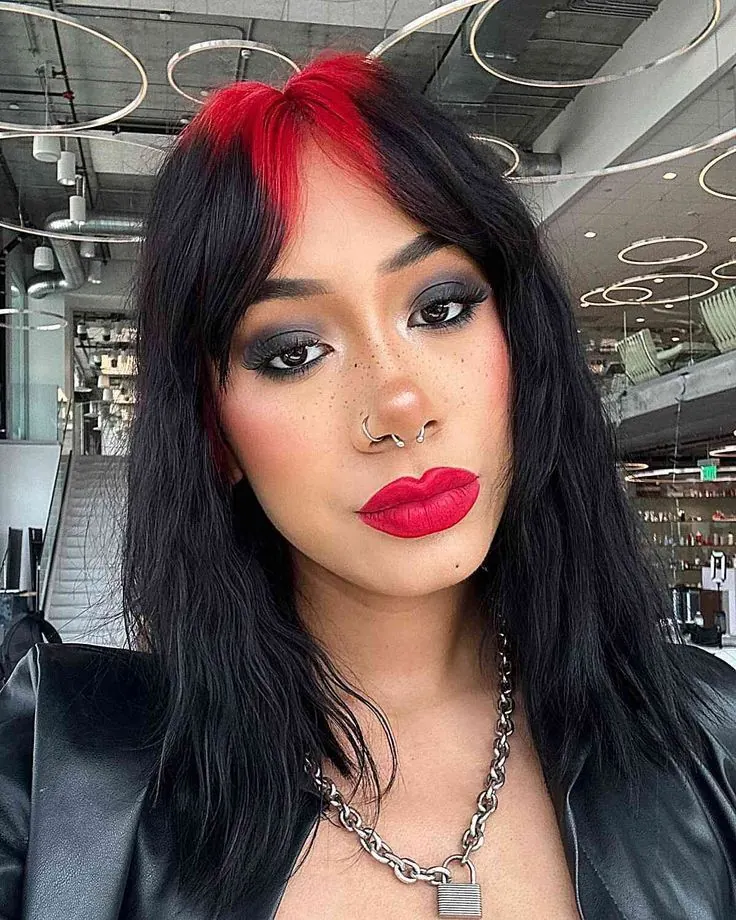
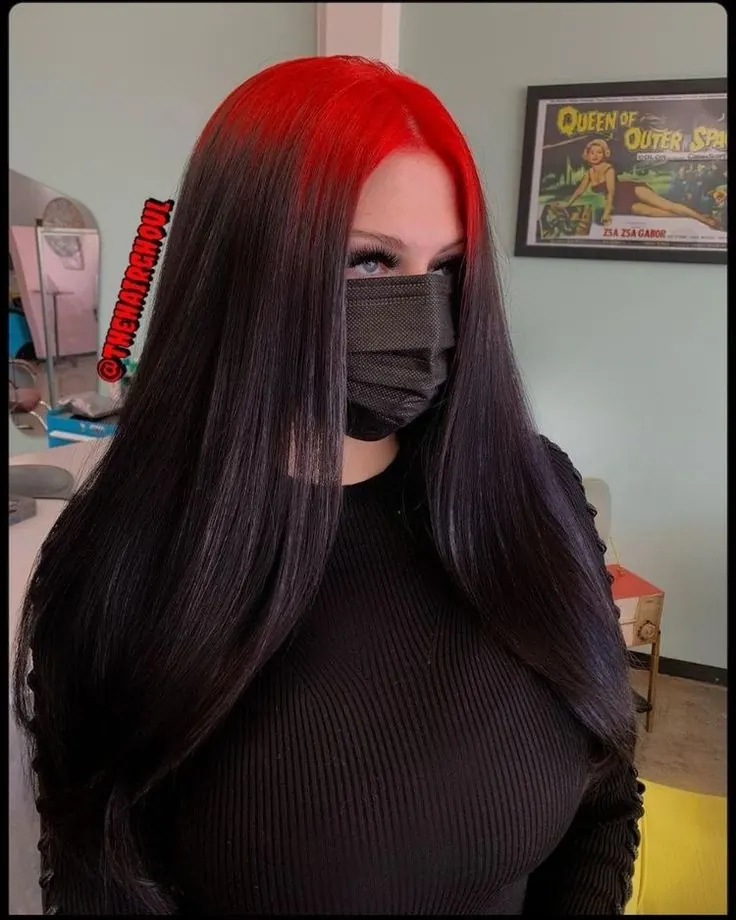
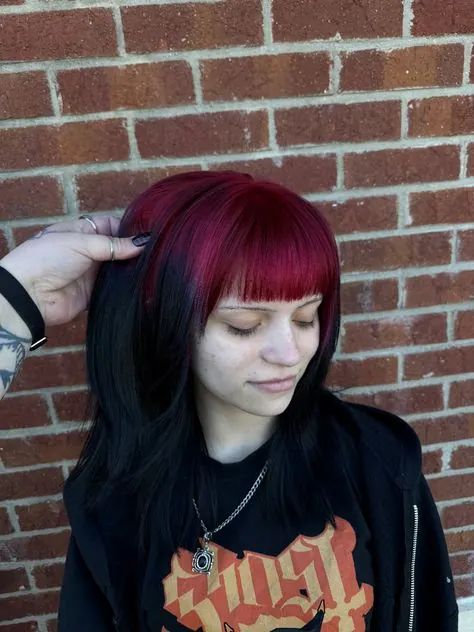
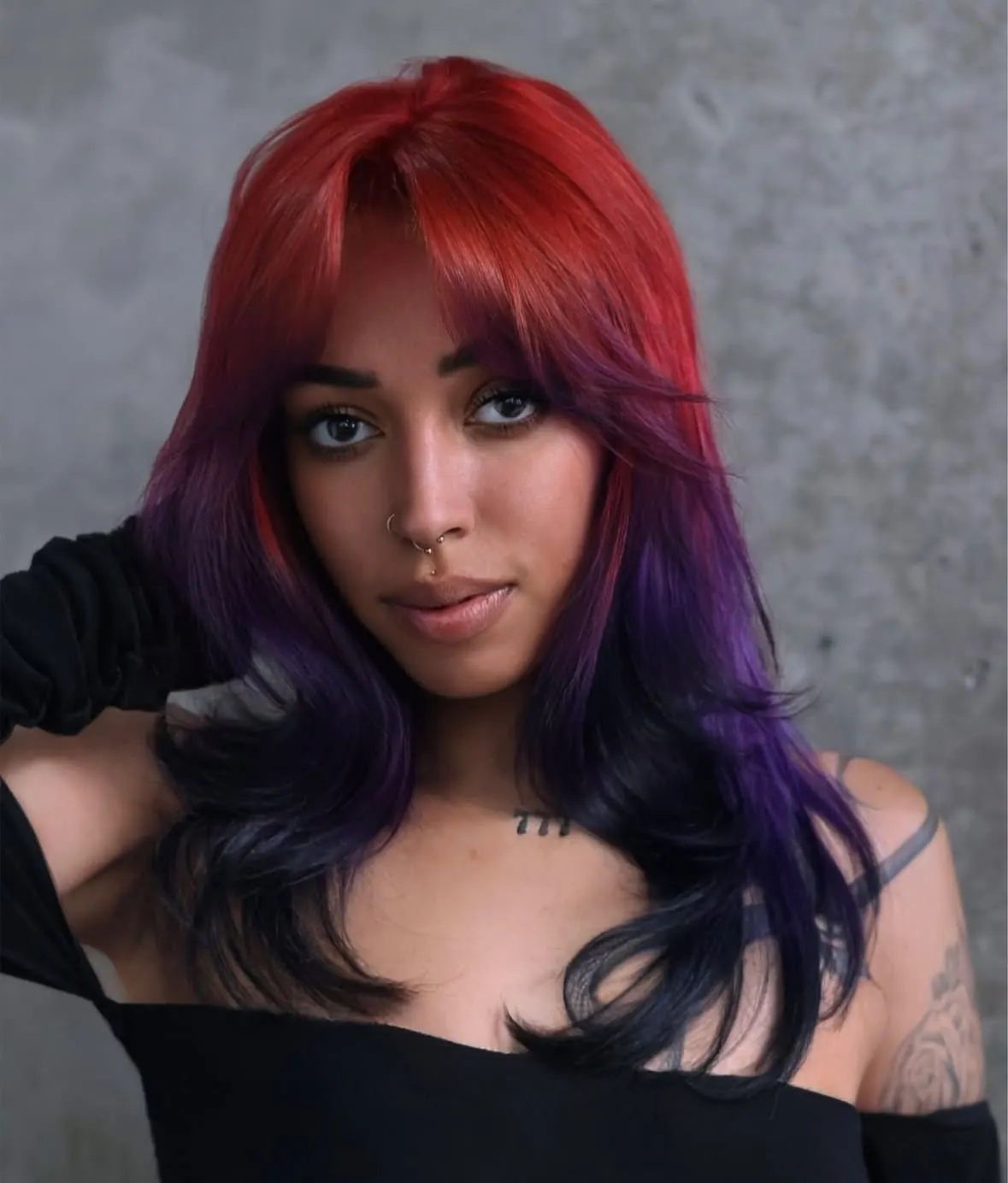
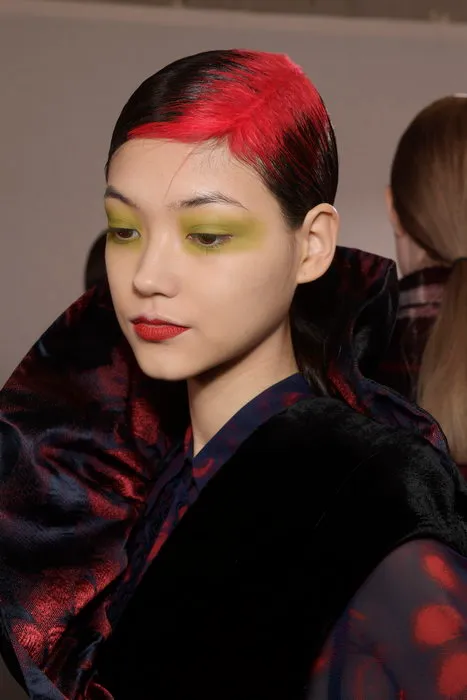
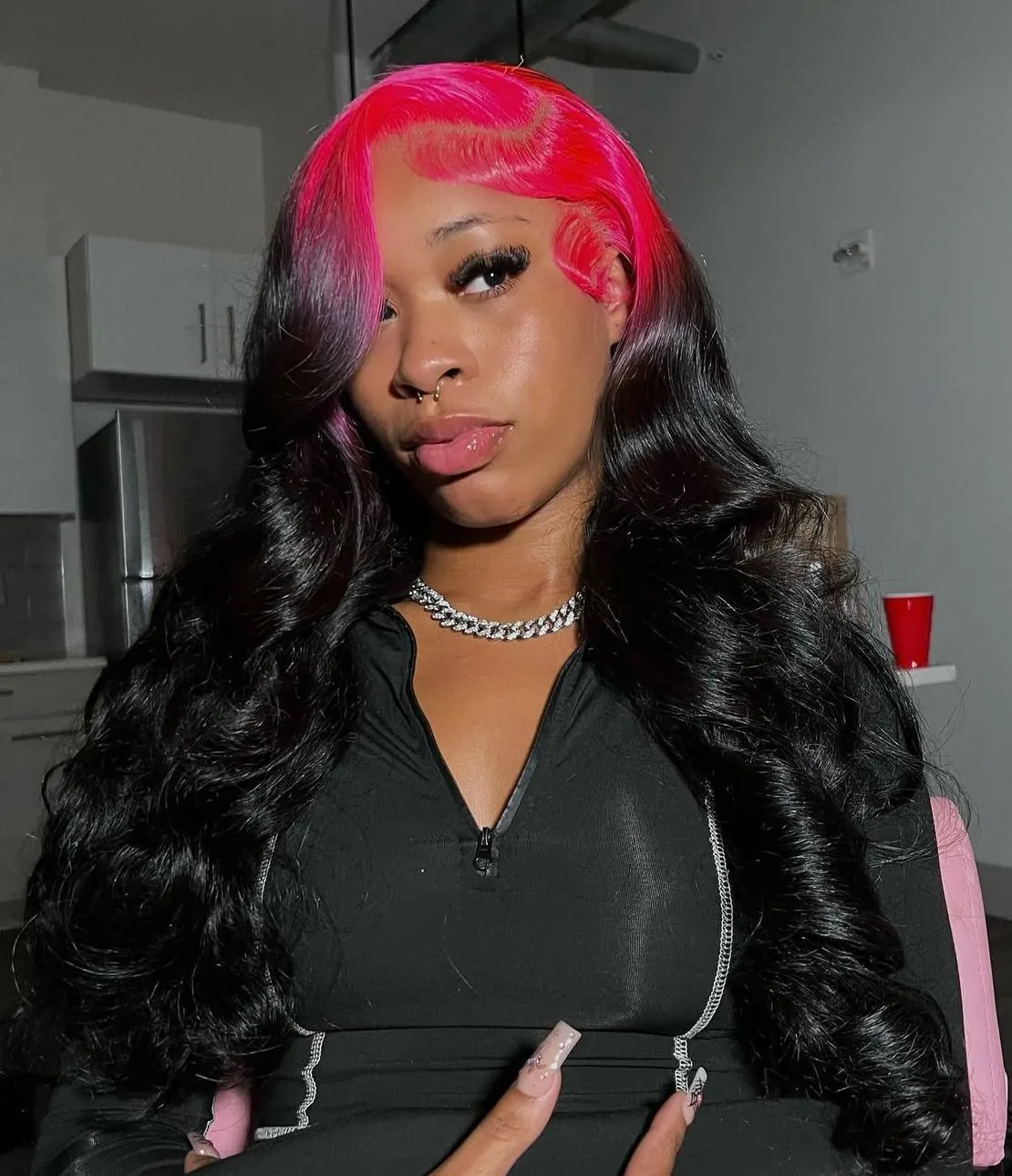
Black hair with red ghost roots works because the dark base gives red a clear place to stand out. A small crimson part line, cherry fringe, burgundy crown panel, or red-violet root split can change the whole haircut without turning the entire head red.
The key is placement. The red should look connected to the cut, not scattered randomly through the lengths. Use the visual examples first, then use the guide below to choose the shade, placement, and care routine that fits your hair.
Visual Ideas
Black And Red Ghost Roots Looks to Save
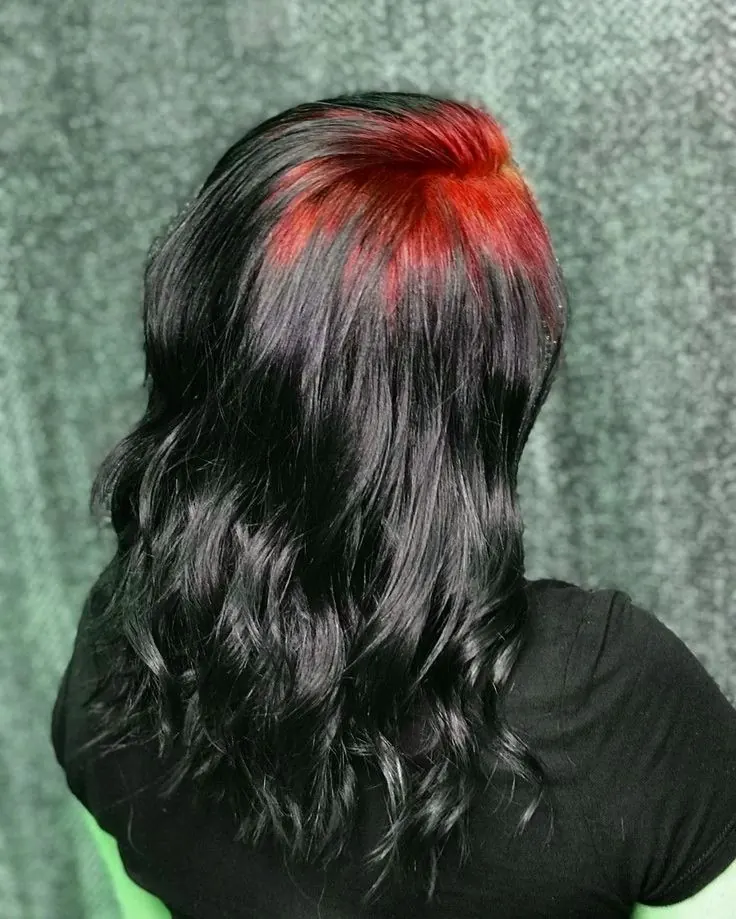
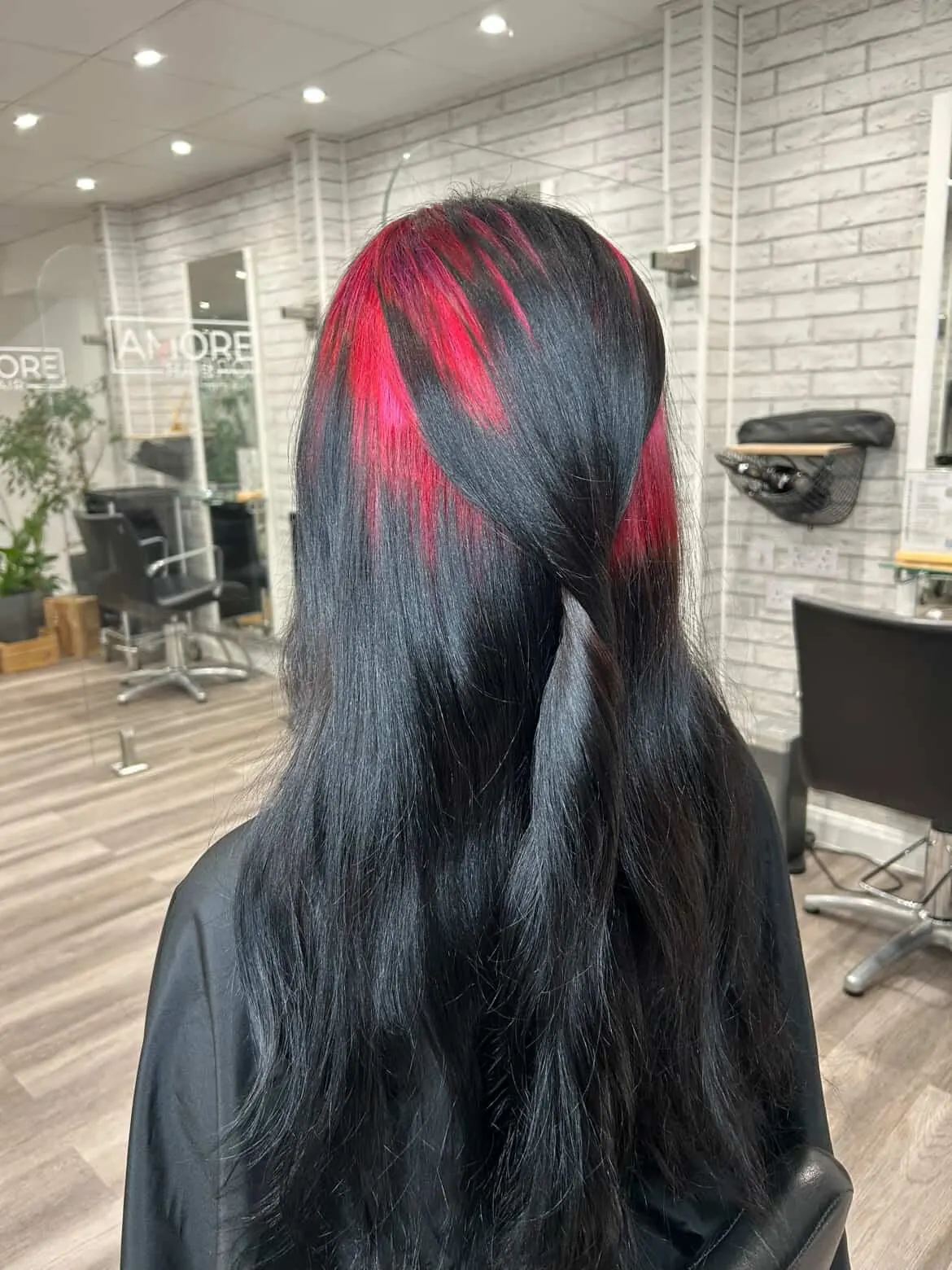
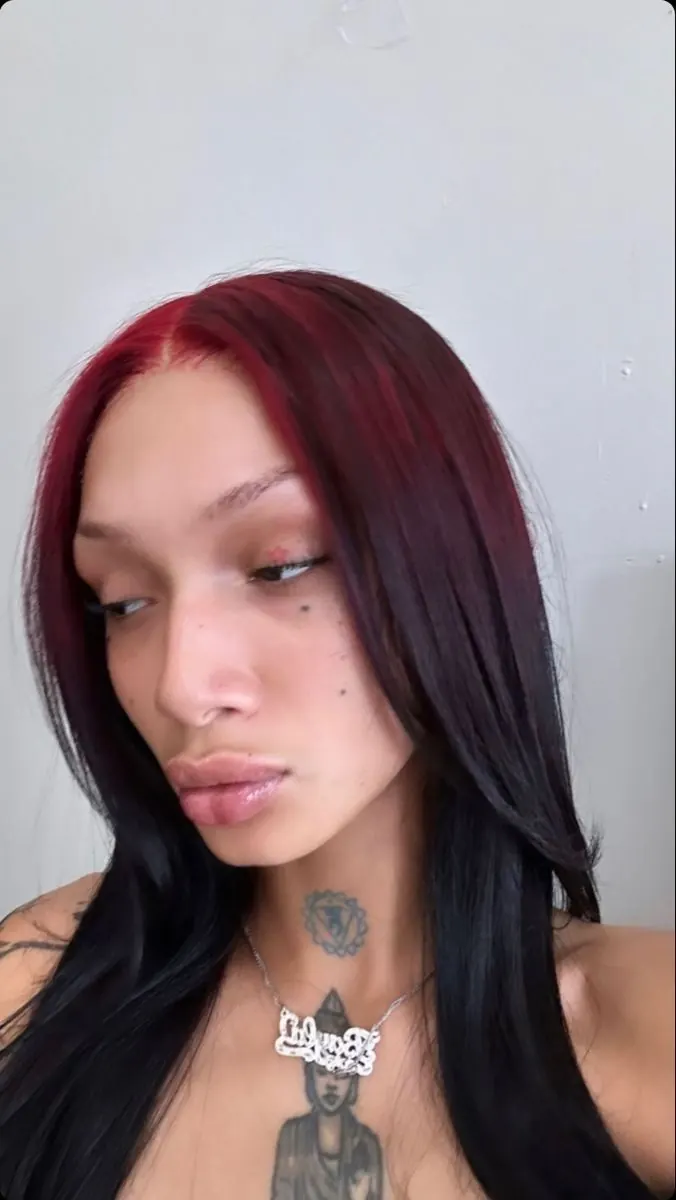
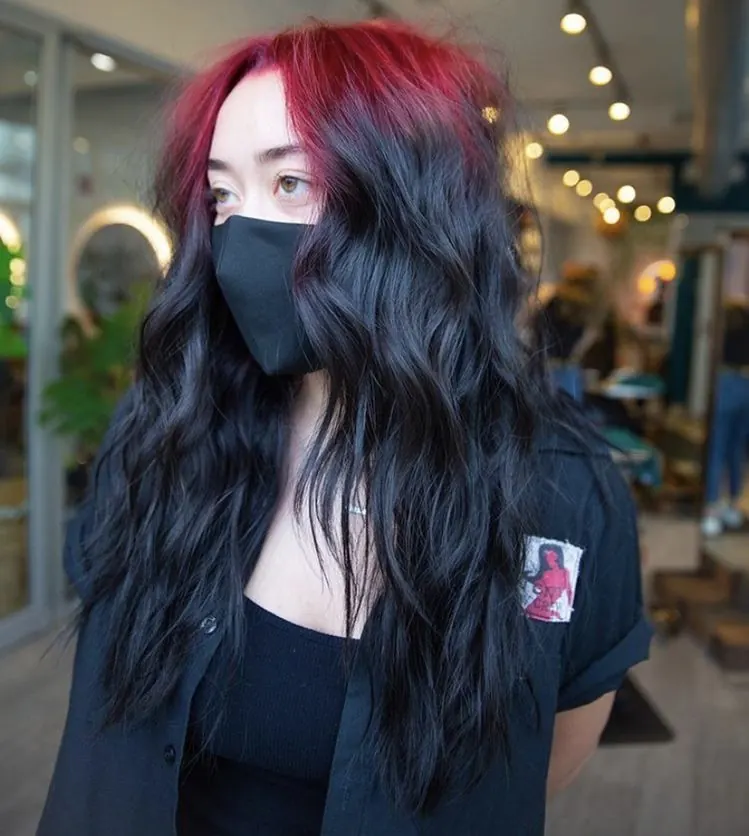
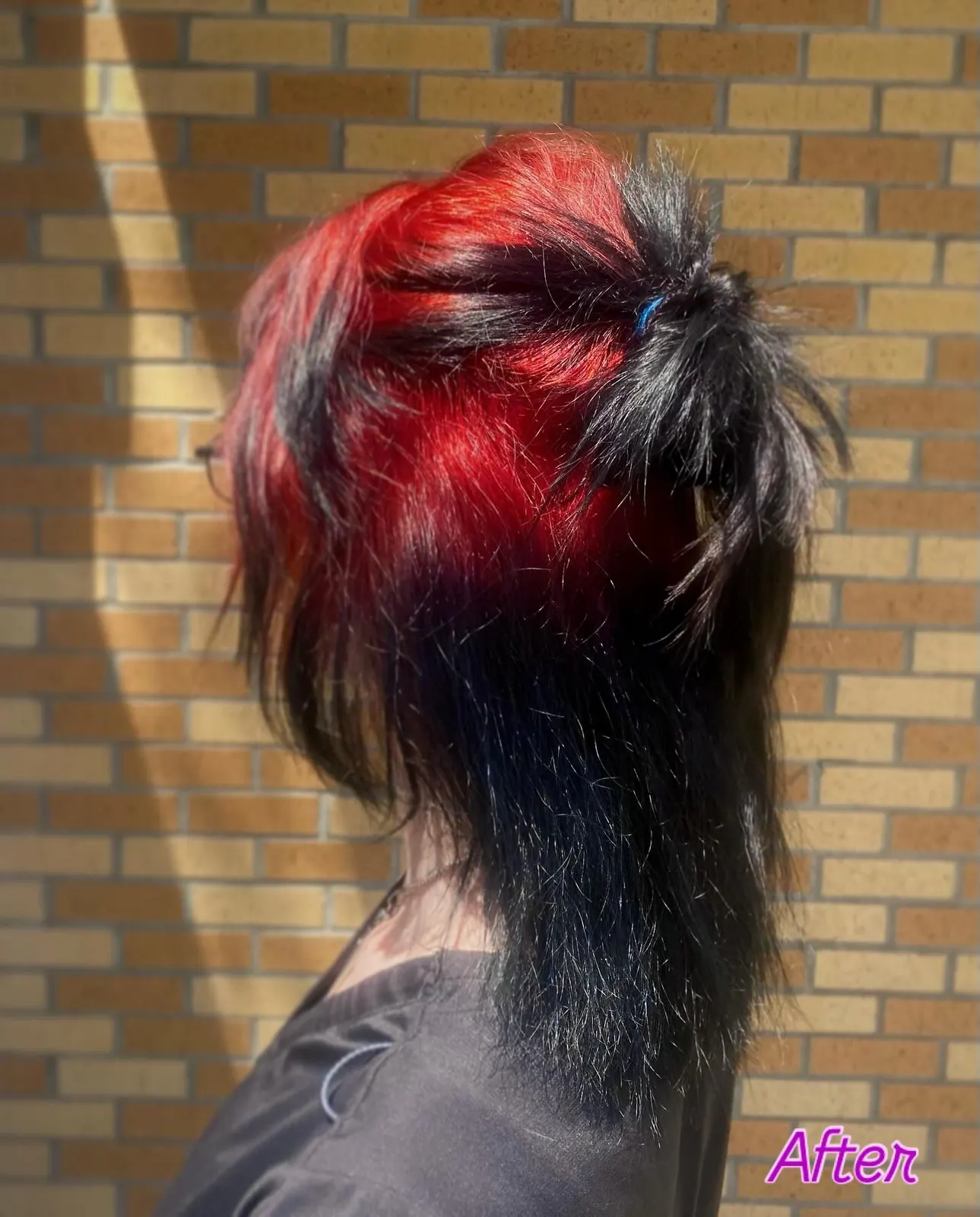
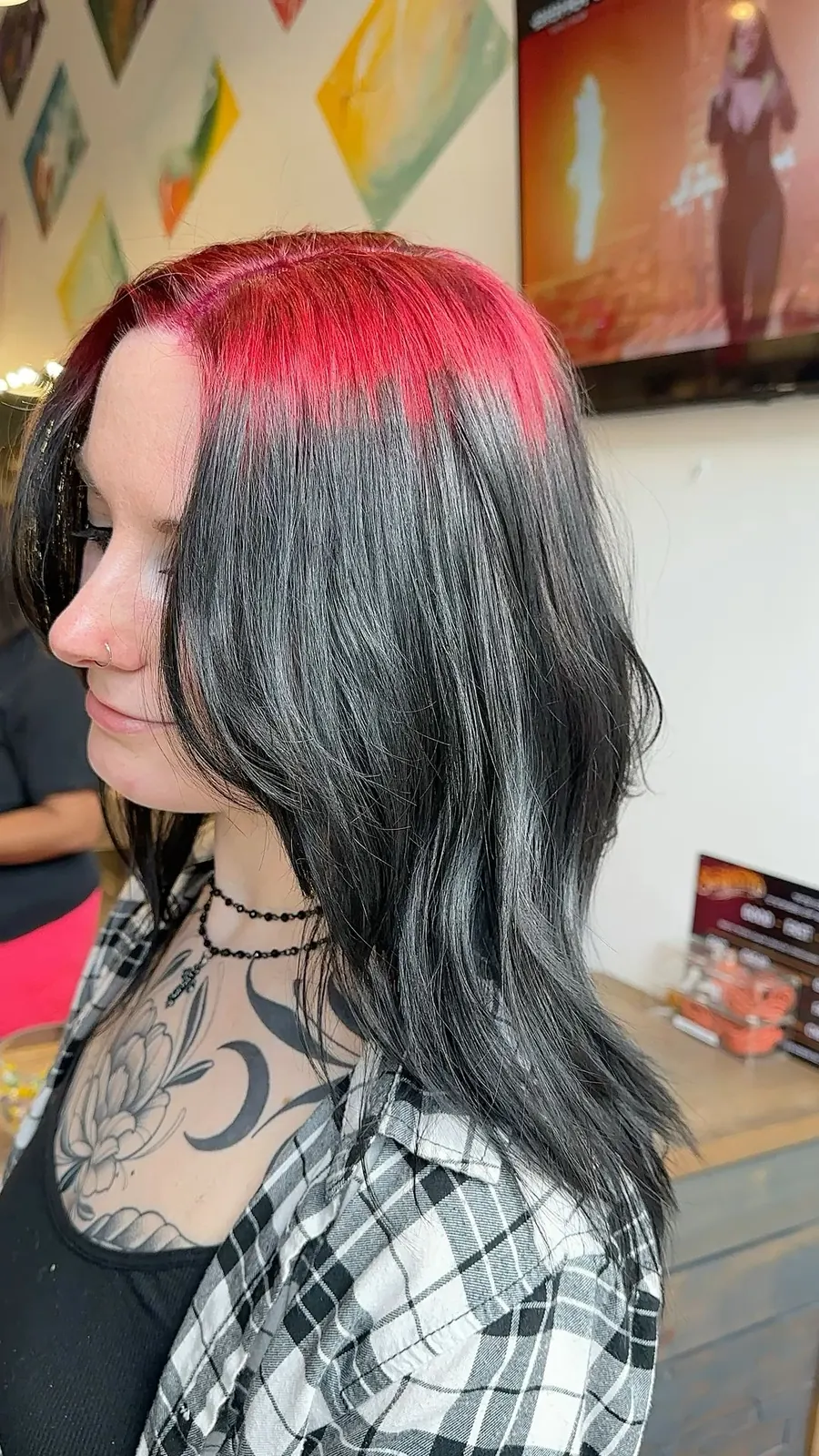
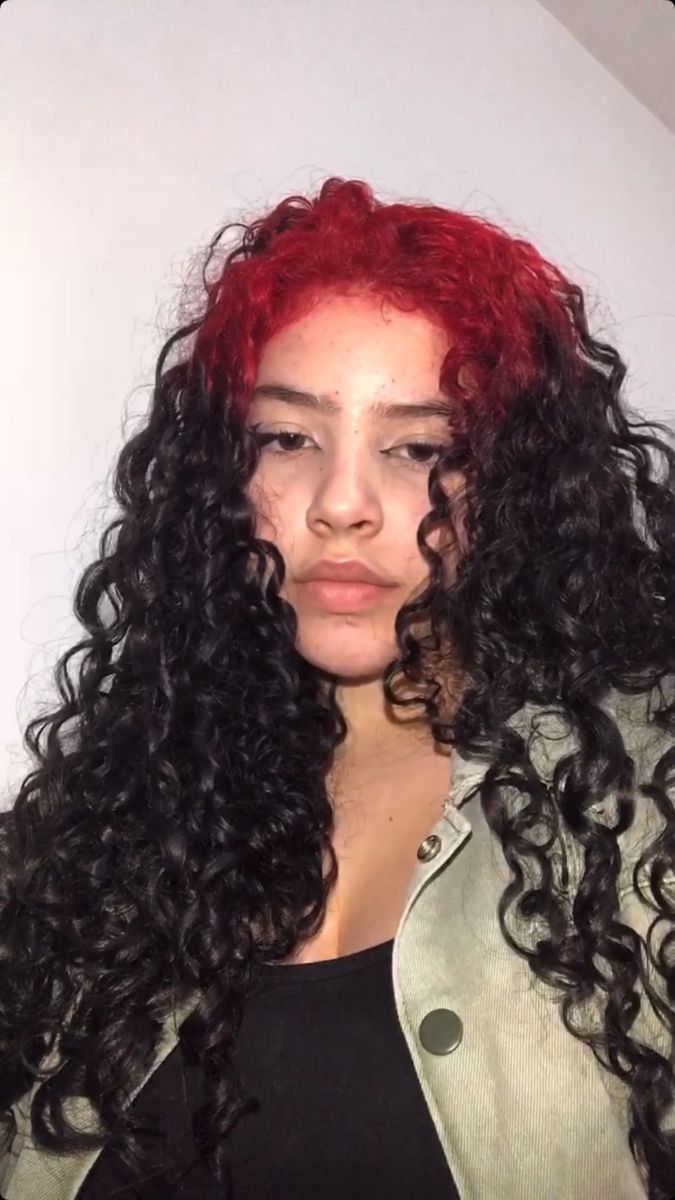
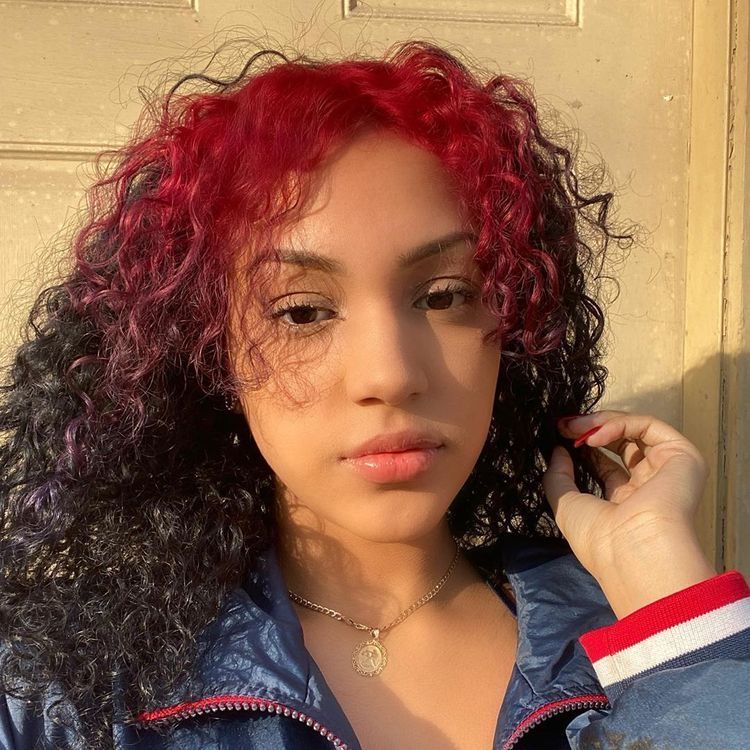
These black-hair red ghost roots examples focus on crimson, cherry, burgundy, red-violet, warm red-orange, curls, braids, fringe, center-part, crown-panel, and short-hair placements.
Ghost Roots Look
Crimson Center-Part Roots
High-Contrast Crimson
A clean center-part version for people who want the red to read instantly in photos.
Place warm red-orange through the crown if you prefer coppery red over crimson.
Leave the face frame darker for a softer front view.
Style loose waves so the crown panel opens with movement.
Refresh with a warm red product before the shade looks faded.
Best Red Shades For Black Hair
Different reds create different moods on black hair. Before choosing from a photo, decide whether you want bright contrast, wearable depth, or something in between.
Crimson red: The clearest, sharpest option. It looks graphic on black hair and works well for center parts, split roots, short bobs, and bold fringe.
Cherry red: Slightly softer than crimson. It still reads red, but it feels more polished on long straight hair, glossy waves, and face-framing panels.
Burgundy red: Deeper and moodier. It is a good direction if you want red ghost roots that look wearable, dark, and less neon.
Red-violet: Cooler and richer than warm red. It helps avoid an orange fade and looks strong with glam waves or evening styling.
Copper-red: Warmer and more orange-based. It can work on black hair, but it needs careful placement so the result looks intentional instead of brassy.
Best Placements For Black Hair With Red Ghost Roots
The strongest placement is usually the one your haircut already reveals naturally.
Center-part red roots: Best for long straight hair, middle parts, sleek layers, and people who want the red visible in front-facing photos.
Red fringe or split fringe: Best for bobs, shags, wolf cuts, short hair, and styles where the bang area is already the focal point.
Crown-panel red: Best for waves, curls, updos, and long hair where the red shows as the hair moves.
Side-panel burgundy: Best if you want a red reveal from the side without making the whole hairline bright.
Red money-piece roots: Best when you want face-framing color but still want the black base to stay dominant.
Avoid tiny random red streaks through the lengths unless you are intentionally asking for highlights. Ghost roots should keep the root zone, part, crown, fringe, or face frame as the focus.
How to Make Red Look Intentional
Red ghost roots look best when the placement has a reason.
Bob: The color can sit through the fringe, part, or top panel so the red reads clearly from the front.
Long hair: The red can follow the center part or front panels, which keeps the contrast controlled instead of scattering it through the lengths.
Curls and waves: Red usually looks better through the crown or top layer so the color appears with movement and does not disappear into the shape.
The black base matters just as much as the red. If the black lengths look dry or faded, red can feel harsh. If the black lengths are glossy, the red looks richer, cleaner, and more deliberate.
If your hair is already colored black, tell your stylist. Lifting artificial black dye can be harder than lifting natural dark hair, and red may need a different plan if the root area has old dye, box color, or uneven warmth.
Salon Wording to Use
Use clear shade and placement language. Instead of asking for “red roots,” say what kind of red and where it should sit.
“Crimson red ghost roots through the center part.”
“Cherry red root panel with the black lengths kept dominant.”
“Burgundy fringe roots on a black shag.”
“Red-violet split roots with glossy black waves.”
“Red crown panel that shows when the hair moves.”
Ask whether the root zone needs lightening first, whether the red can be refreshed with a depositing mask, and how often the color should be toned or re-glossed.
Common Mistakes
Choosing a filtered red photo without checking how the shade looks indoors.
Pulling red too far through the lengths until the style becomes highlights instead of ghost roots.
Letting the black base go dull, which makes the red look less polished.
Choosing copper-red when you actually want a blue-based crimson or cherry result.
Skipping maintenance and waiting until the red fades orange, brown, or flat.
Yes. Black hair gives red ghost roots strong contrast, but the red area usually needs lightening first if you want crimson, cherry, or vivid red to look clear instead of muted.
What red shade works best with black hair?+
Crimson gives the sharpest contrast, cherry feels slightly softer, burgundy is moodier and more wearable, and red-violet is a good choice if you want depth without orange warmth.
How do you stop red ghost roots from fading orange?+
Wash less often, use cooler water, protect the color from heat, and refresh with the right red or burgundy depositing mask before the shade turns dull, orange, or brown.