Grown-out ghost roots can look deliberate when the original section still follows the part or haircut and the color edge softens in a controlled way. They look accidental when the tone turns muddy, the panel drops into an awkward band, or a trim moves the color away from the feature it was meant to frame.
The next appointment should solve the actual problem. Faded tone, visible natural regrowth, a hard band, and a misplaced panel are four different jobs.
Visual Ideas
What Intentional Grow-Out Looks Like at Different Stages
These references are limited to muted blonde, beige, taupe, and brunette placements with softer boundaries that can accommodate visible new growth without looking accidental.

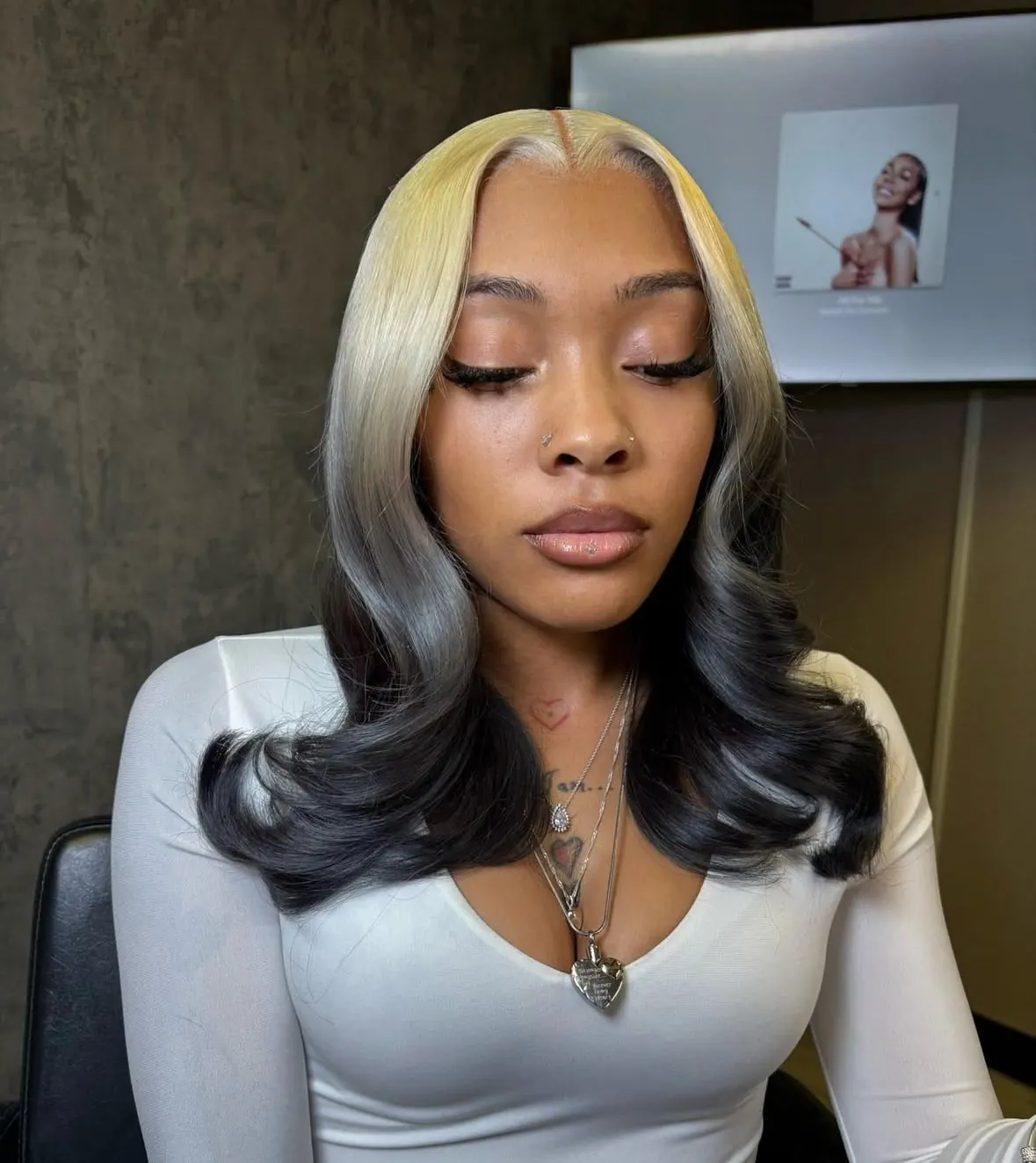
Ash Blonde Body Wave
The ash-blonde money piece starts slightly away from the scalp and blends through long black body waves. Its cool, diffused boundary can accept visible new growth more gracefully than a hard platinum stripe.

Mushroom Blonde Straight Layered
Mushroom-blonde ribbons begin at a natural brown center part and stay narrow beside the face. The low contrast and muted tone make the regrowth look planned instead of sharply overdue.

Soft Beige Straight
Soft-beige face-framing bangs fade into dark straight hair with no graphic line at the scalp. This restrained placement can be glossed or lightly refreshed without rebuilding a broad blonde root panel.

Ash Blonde Braided Ponytail
Ash-blonde front pieces remain separate from the darker roots when the hair is braided into a ponytail. The visible spacing at the part provides room for grow-out while preserving brightness near the face.
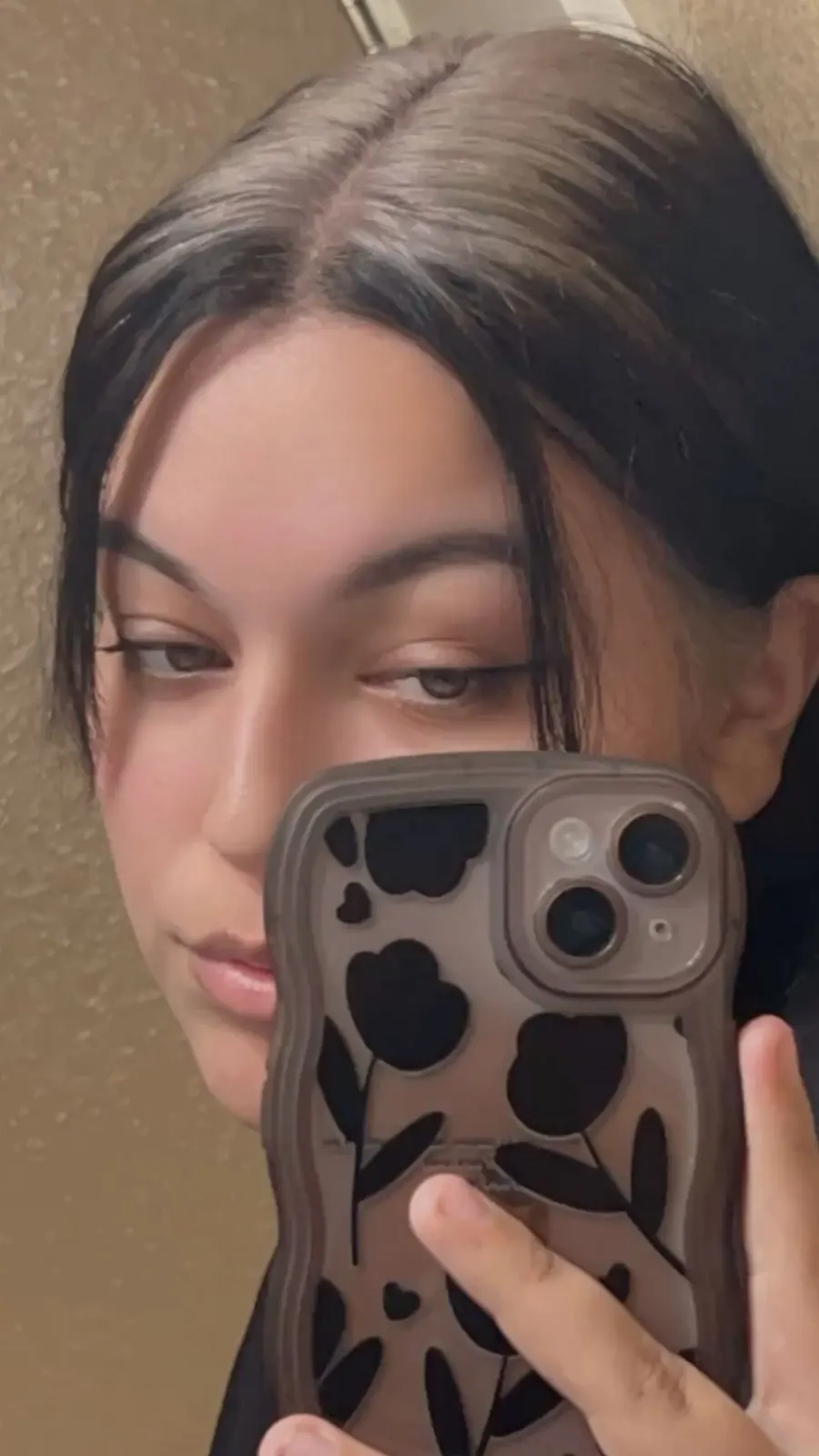
Warm Brown Straight Layered
A warm-brown center section sits only a little lighter than the surrounding dark layers. Because the values are close, new roots can merge into the design without creating an obvious band.

Taupe Blonde Sleek Bob
The taupe-blonde underlayer is already concealed beneath the dark bob, so regrowth is not the first thing a viewer sees. A toner or gloss can revive the muted section while leaving the surface color intact.

Taupe Blonde Soft Wave
Taupe-blonde framing pieces begin below a darker natural root and blend into soft black waves. The dropped starting point is a practical reference for stretching appointments without losing all front brightness.
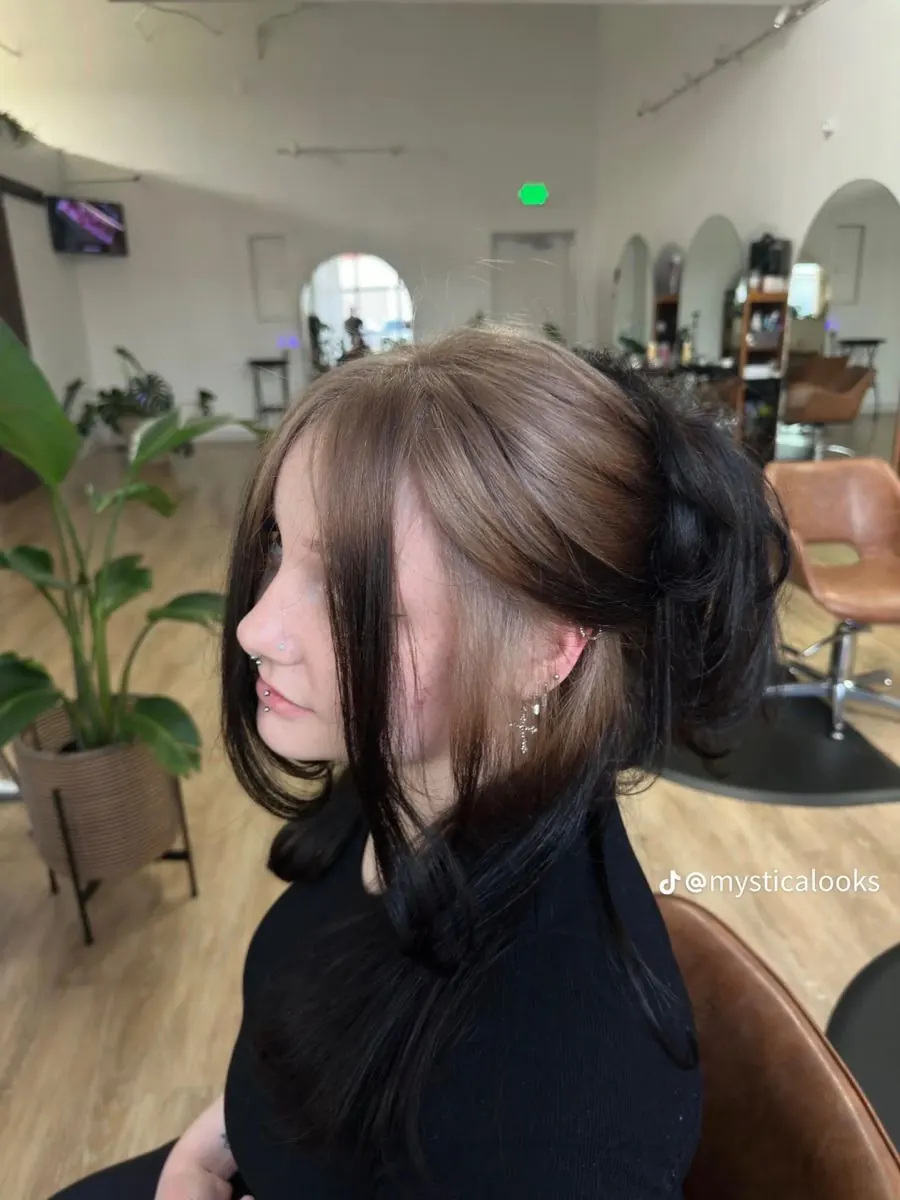
Taupe Beige Straight Updo
Taupe-beige face pieces remain visible around a dark straight updo, while the root nearest the scalp stays softened. The tied style proves that a grow-out plan should be checked with the hair both loose and lifted.
First Identify What Changed
Only the tone faded: the section is still in the right place, but red, blue, blonde, silver, or another shade has lost clarity. A depositing refresh, toner, or gloss may be enough.
Natural regrowth widened the gap: the colored section is moving away from the scalp. Decide whether to lift and reconnect it or allow the distance to become part of a lived-in result.
The edge became a band: a crisp boundary can look disconnected as it grows. Soft blending may be more useful than placing another hard stripe above it.
The haircut changed: bangs, a bob, or short layers can remove the part of the design that made the panel make sense. The color may need to be remapped to the new shape.
Some Colors Soften More Easily
Taupe, beige, mushroom, honey, brunette, and smoky silver can transition gently when the base and edge are compatible. High-contrast white, neon, hot pink, and sharp black-red sections remain more obvious, so they usually need a more deliberate refresh or blending plan.
Texture also changes the boundary. Waves and curls interrupt a line; straight hair exposes it. Updos can reveal a hidden grow-out that looked soft while the hair was down.
Choose One of Four Paths
Refresh The Same Placement
Use this when the section width still works and the main problem is faded tone or new growth near the scalp. Ask how the stylist will avoid overlapping previously lightened hair.
Soften The Boundary
Gloss, toner, a root melt, or carefully placed lowlights may reduce a hard edge. The exact method depends on the starting colors and condition. The goal is not to erase every difference, but to make the transition feel planned.
Remap The Color
Choose this when the haircut, part, or styling routine has changed. A panel that is hidden or sits too far from the face may need a new shape rather than more pigment.
Keep Growing
If the tone is clean and the edge already looks diffused, time, trims, and occasional gloss may be enough. Photograph the hair in your normal part before deciding that every visible root needs correction.
What to Ask at The Salon
I want to keep the contrast but make the grow-out look intentional. Please tell me whether the problem is tone, regrowth distance, a hard band, or placement. I do not want lightener overlapped over the existing pale or vivid section.
Bring the original reference if you have it. Comparing the first placement with its current position helps explain whether the design has faded, shifted, or simply grown.
Use The Visual Examples as Diagnosis References
The gallery includes soft money pieces, muted blonde and silver, face frames, updos, and placements that reveal different stages of growth. Compare the distance from scalp to color, the softness of the edge, and whether the section still relates to the haircut.
For routine care, continue to ghost roots maintenance. If you are considering a new dye family during the correction, use the hair dye guide before changing the canvas.
Grown-Out Ghost Roots Questions
Can ghost roots grow out nicely?
Yes, especially when the original placement was soft, face-framing, taupe, brunette, blonde, or smoky rather than very sharp neon or white.
When should grown-out ghost roots be refreshed?
Refresh when the color stops framing the face, no longer follows the part or haircut, fades muddy, or drops too far from the scalp to look intentional.
What product helps grown-out ghost roots most?
Gloss, color-safe shampoo, and shade-specific refresh products help most. Blonde and silver need toner support, while vivid shades need matching depositing masks.