The Main Difference
Shadow roots are usually darker at the scalp and blended into lighter lengths. They are common on blonde, balayage, and highlighted hair because they make grow-out softer.
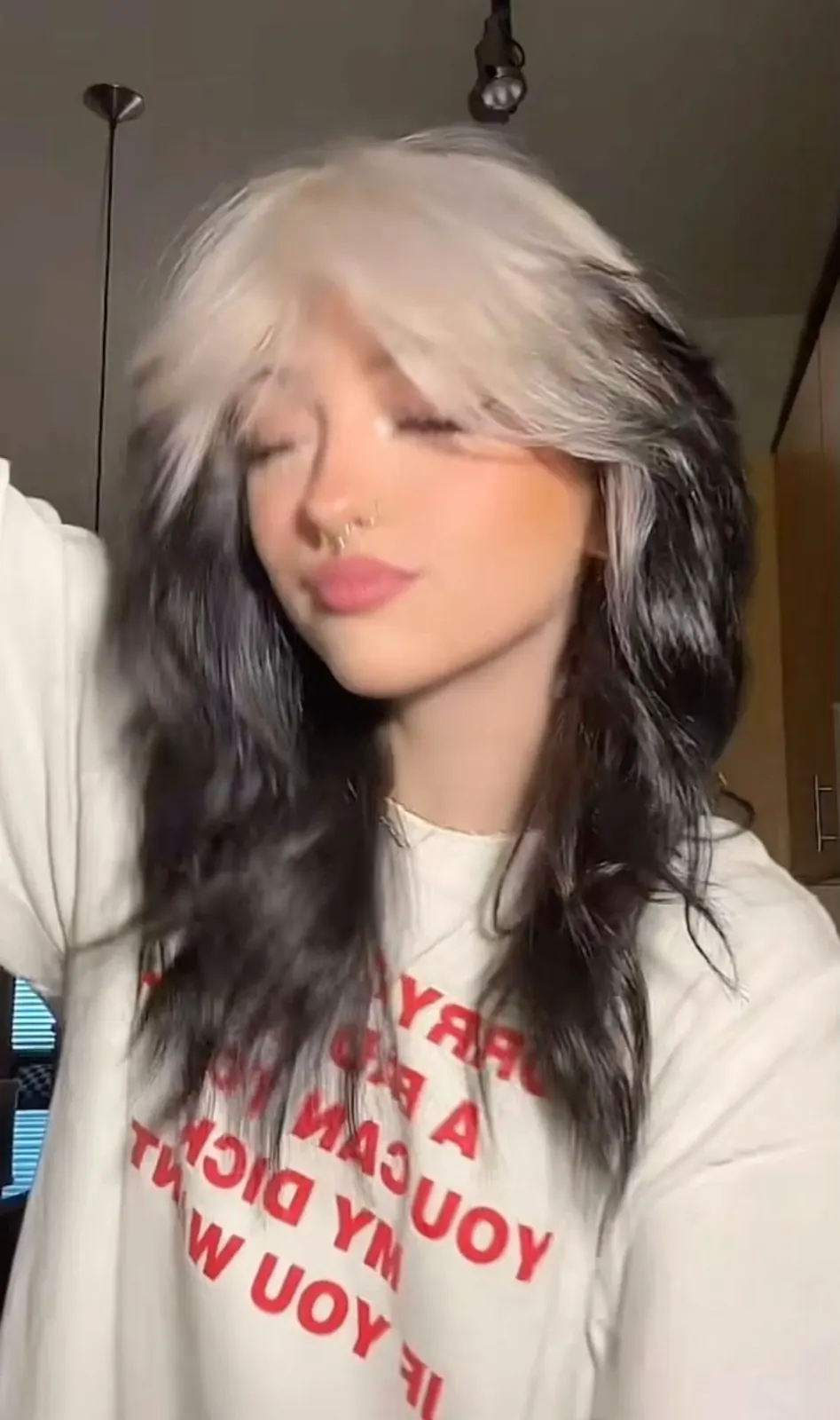
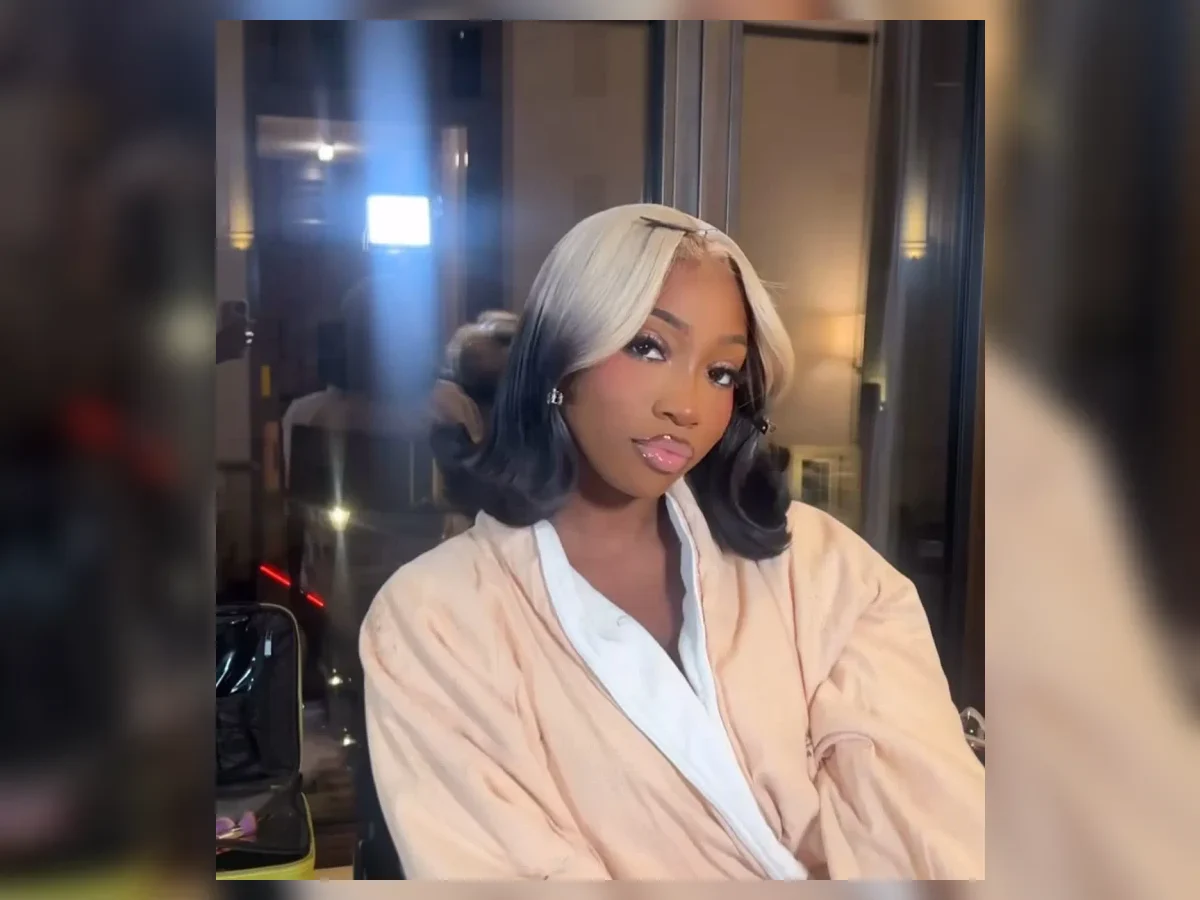
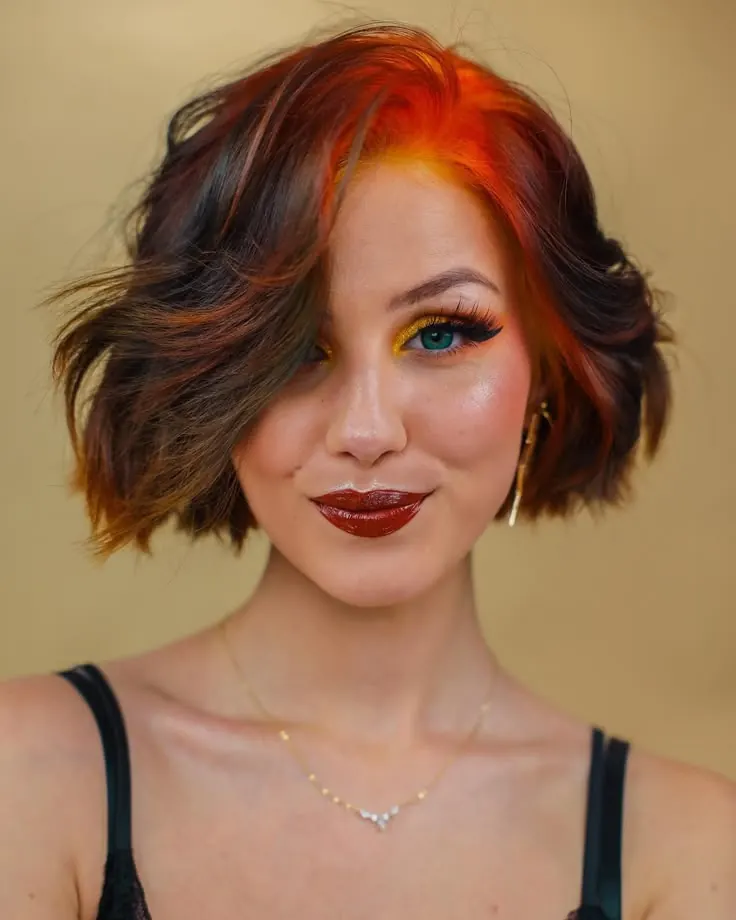
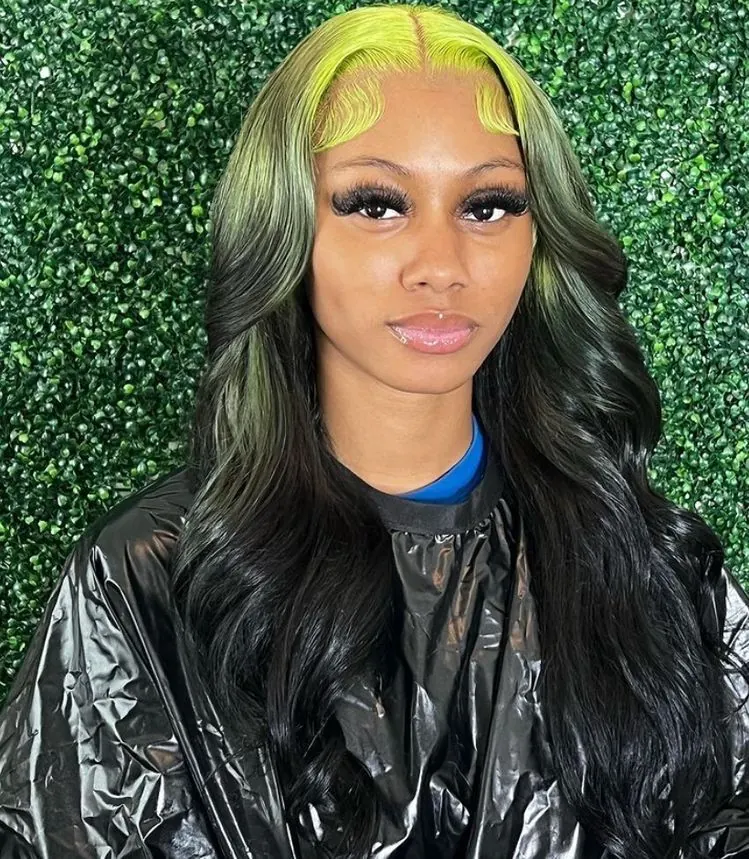
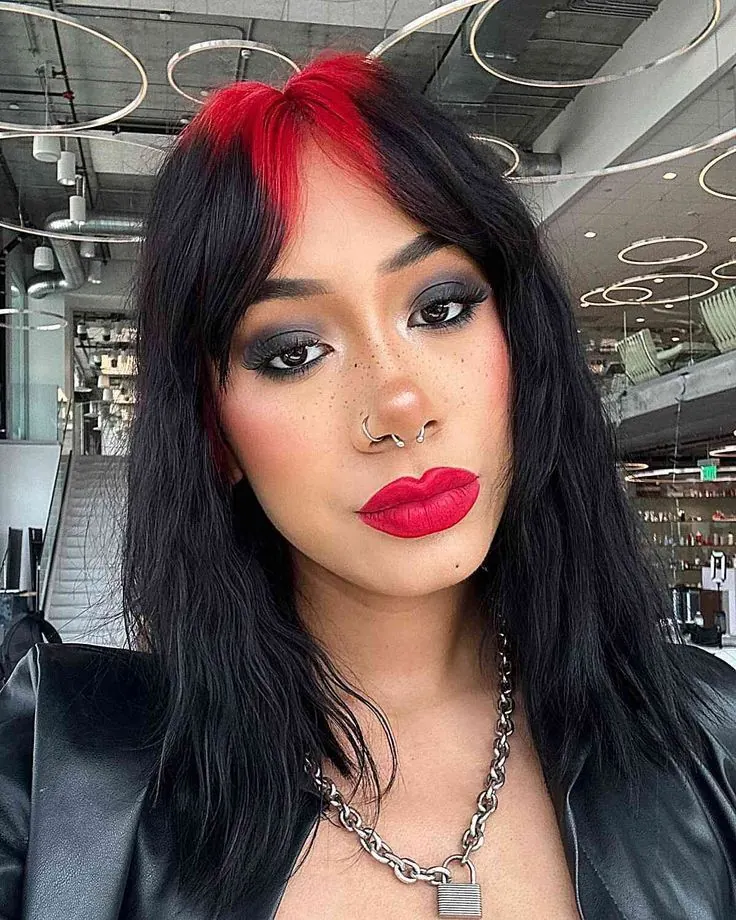
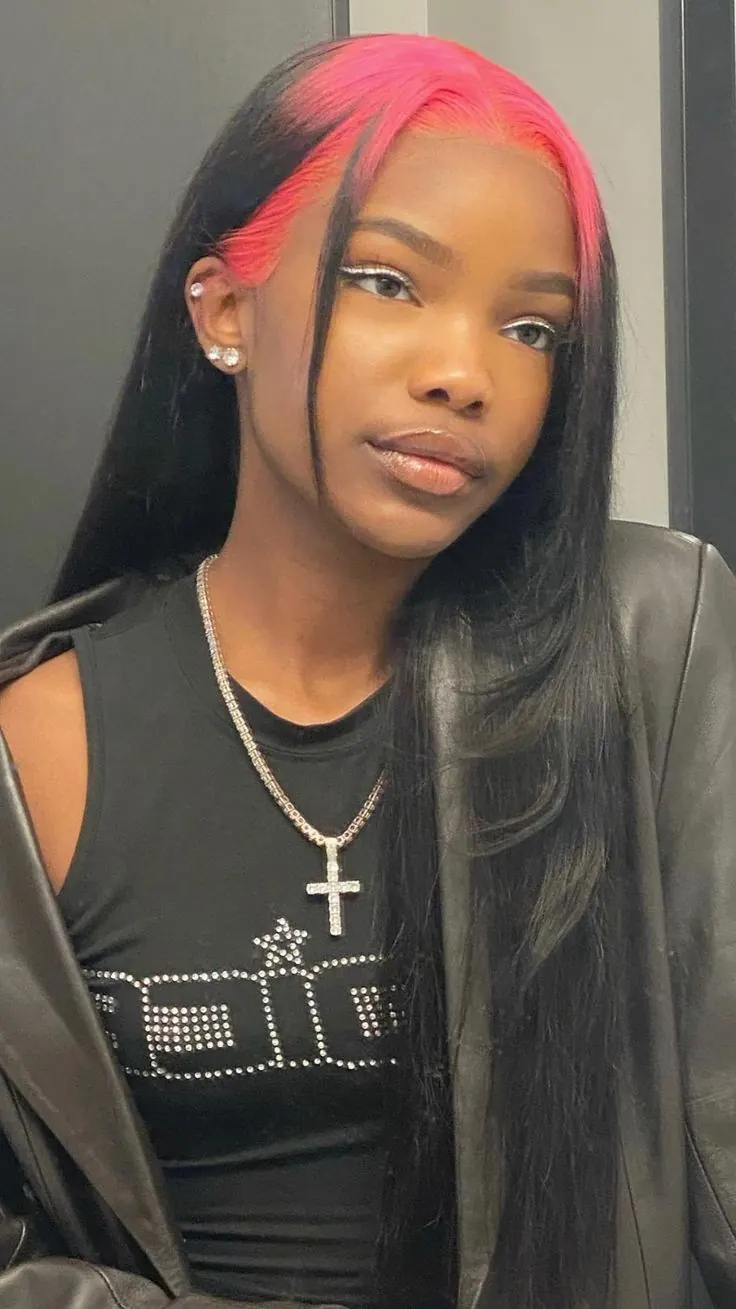
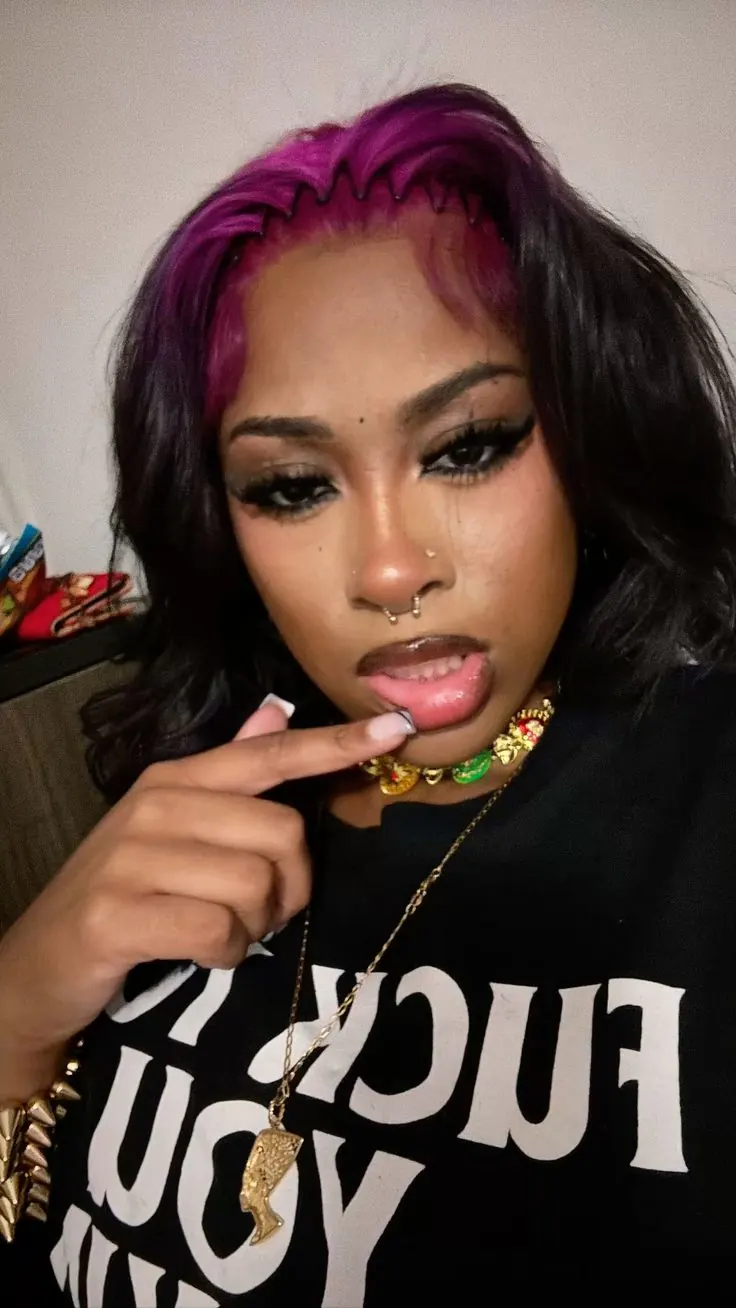
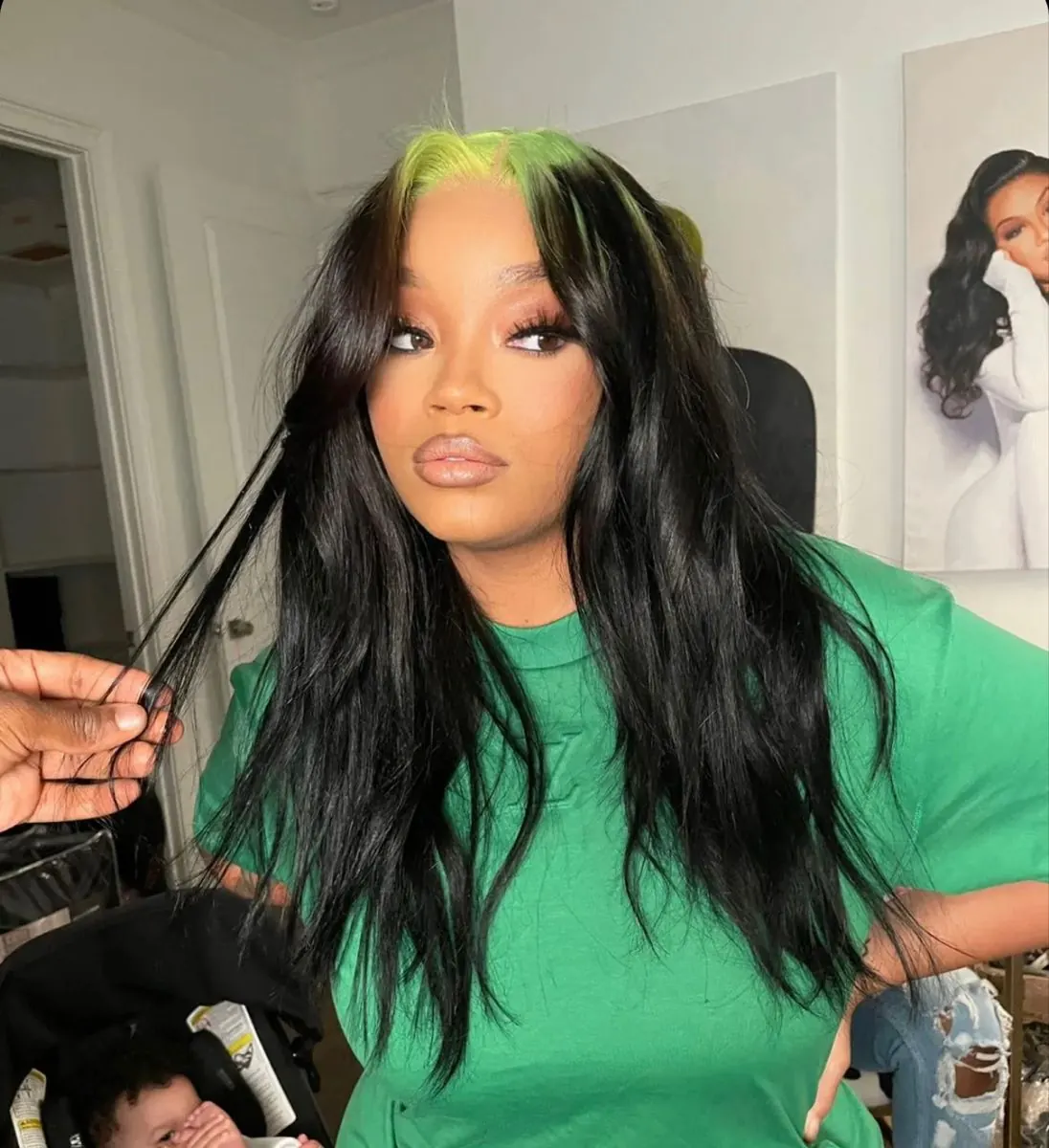
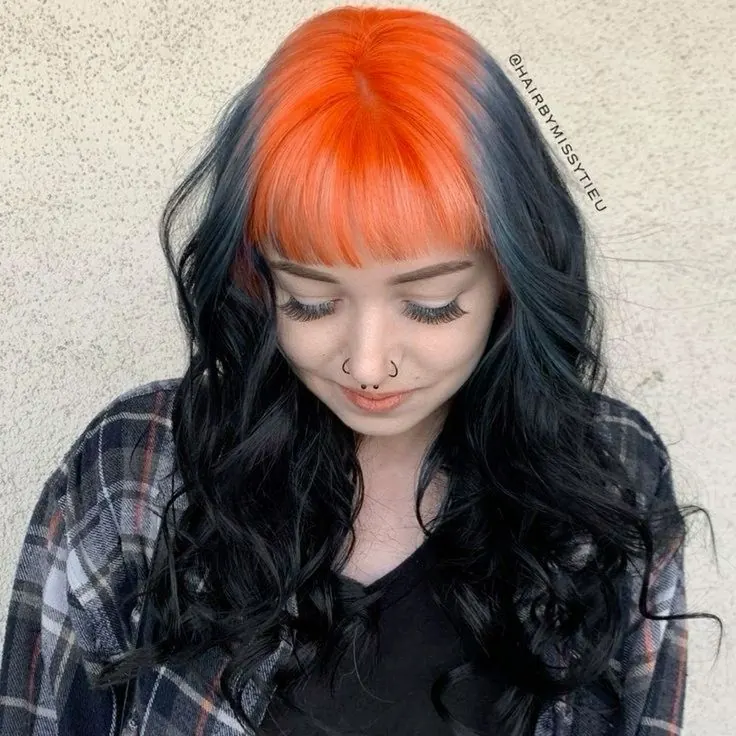
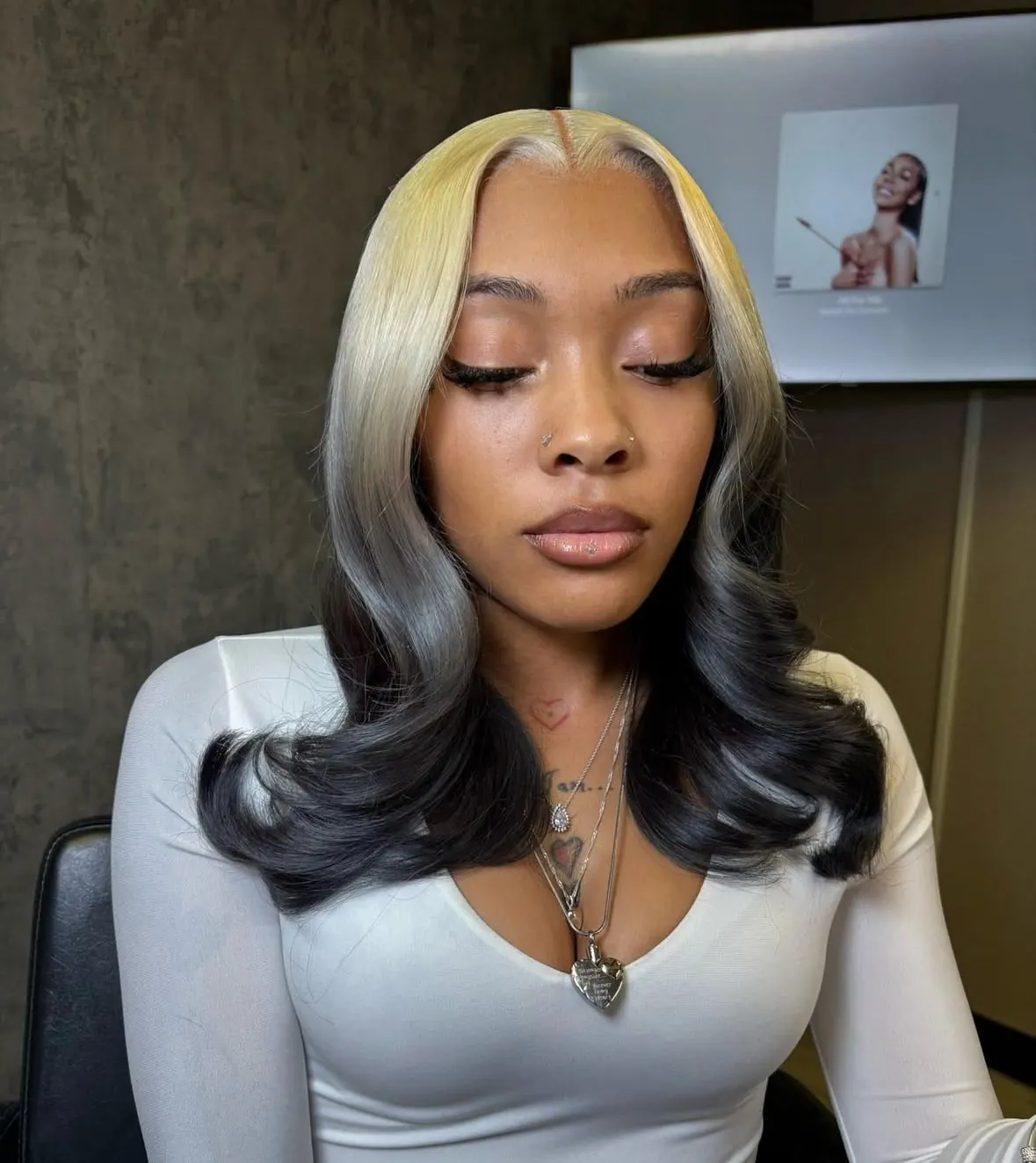
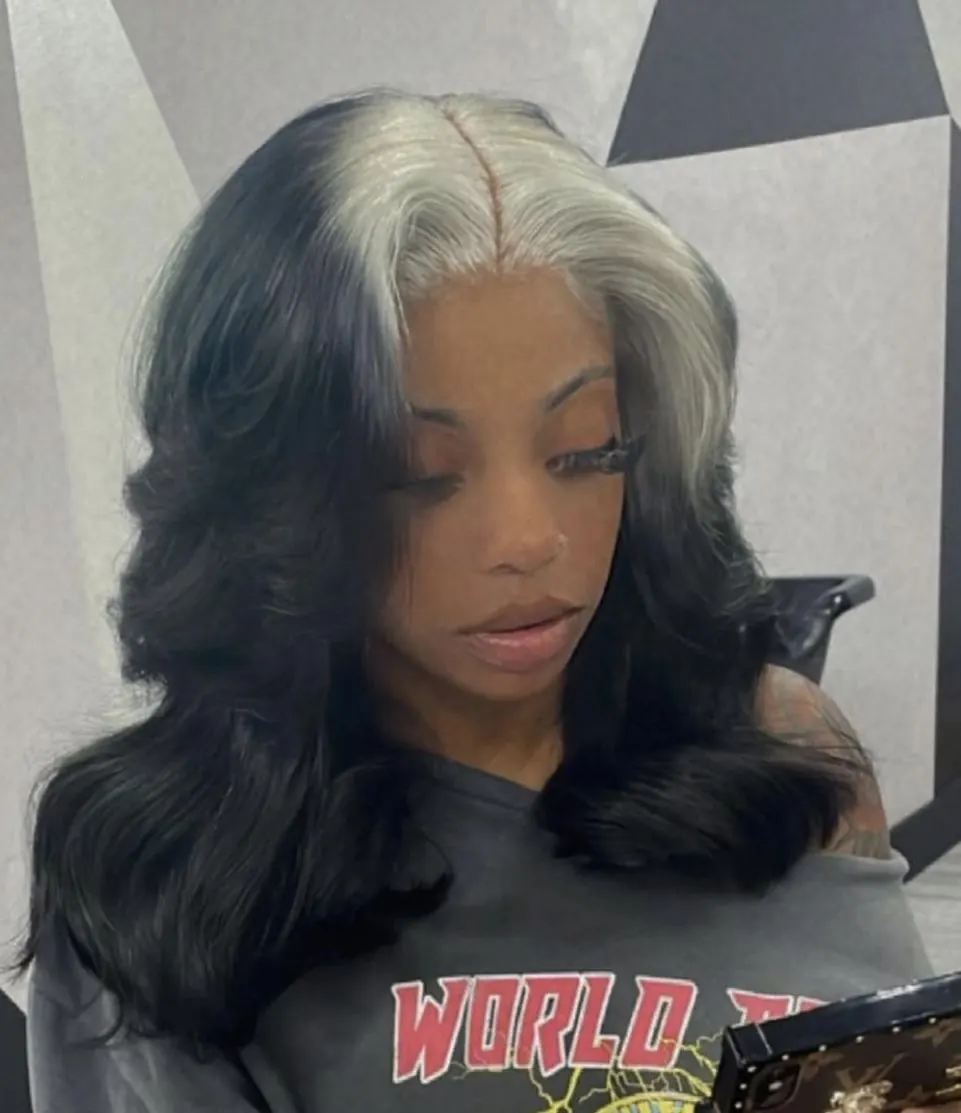
Ghost roots can be light, vivid, dark, white, red, blue, green, pink, purple, teal, blonde, or silver. The point is contrast and placement, not camouflage.
Color Difference
Shadow roots usually stay close to natural depth: soft brown, dark blonde, brunette, ash brown, or a slightly deeper version of the base.
Ghost roots can move in either direction. They can be bright white roots on black hair, red roots on dark hair, blonde money-piece roots, or vivid crown panels on a shag.
Grow-Out Difference
Shadow roots are built to grow softly. The root area is usually blurred so new growth does not feel abrupt.
Ghost roots may grow out softly if the placement is muted, but high-contrast shades need more attention. Neon green, red, white, pastel, and silver roots can start looking accidental once the color drops too far from the scalp.
Which One is Lower Maintenance?
Shadow roots are usually lower maintenance because they are designed to blur grow-out.
Ghost roots can still be lower maintenance than all-over vivid color because only a small section is colored. But the colored section may need toner, gloss, color-depositing conditioner, or a refresh if the shade is bright.
Salon Wording Difference
Ask for shadow roots if you want:
- Blended depth at the scalp
- Softer blonde grow-out
- A root smudge or root melt
- Less obvious regrowth
- A natural transition into highlights or balayage
Ask for ghost roots if you want:
- Visible root contrast
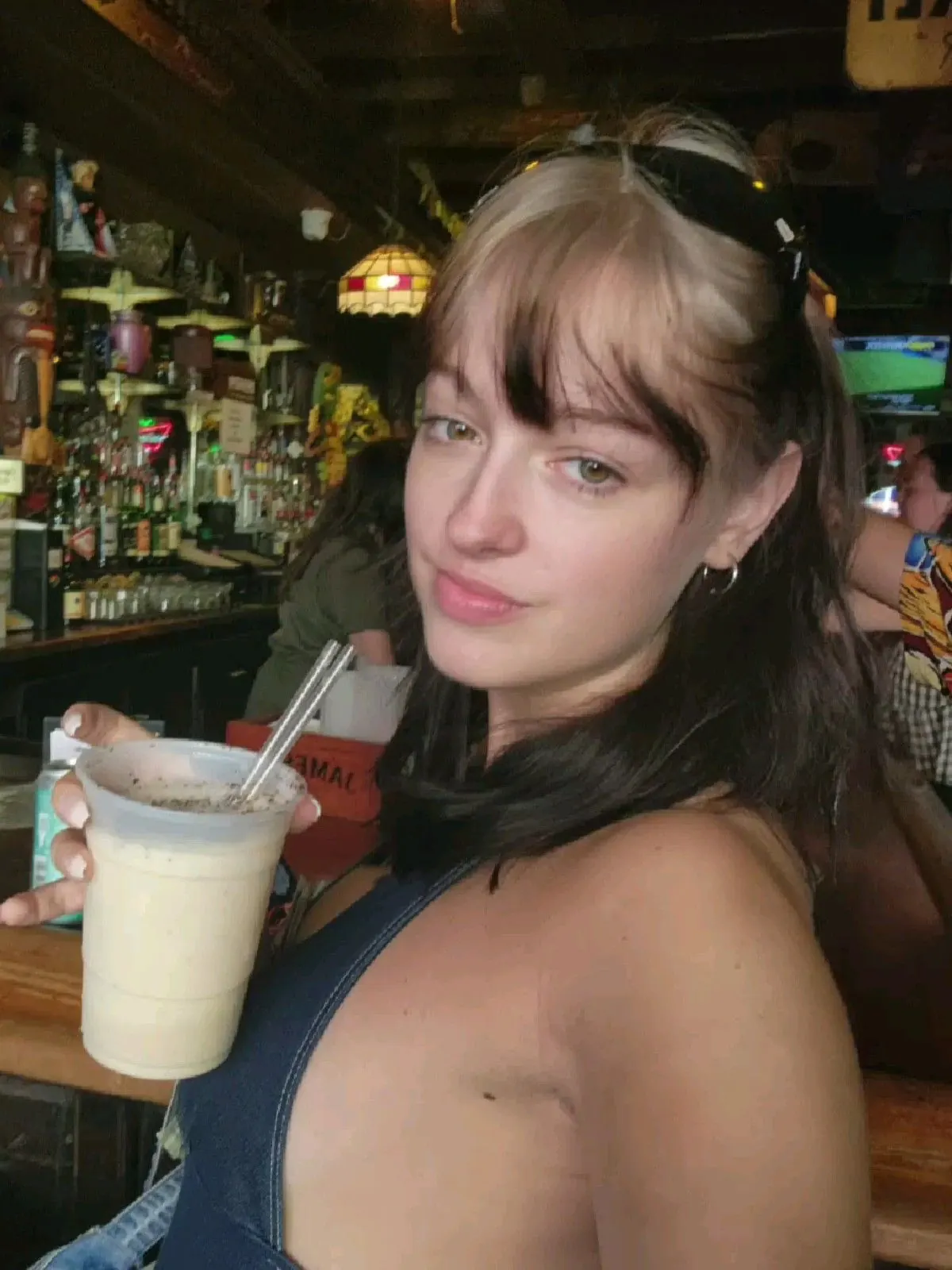
- A colored part, crown, fringe, or face frame
- White, silver, blonde, or vivid roots
- A root area that becomes part of the design
- A look that should be noticeable in photos
Photos to Bring
For shadow roots, bring photos that show soft blend, tone depth, and how far the root shadow extends.
For ghost roots, bring photos that show the exact placement: part line, fringe, money piece, crown panel, or top curls. A close-up of the root area matters more than a full-length hair photo.
Products And Maintenance
Shadow roots usually need color-safe shampoo, gloss, and occasional toner if the blonde turns warm.
Ghost roots need shade-specific care. Red and pink need depositing masks. Blue, green, teal, and purple need gentle cleansing and refresh products. Blonde, white, and silver need toner support, bond repair, and heat protectant.
Common Mistakes
The biggest mistake is using one term when you mean the other. If you ask for shadow roots but show a vivid red center part, the consultation can get confusing fast.
Another mistake is asking for ghost roots when you actually want invisible regrowth. Ghost roots are allowed to be softer, but the root zone is still part of the design.
Which One Should You Ask For?
Ask for shadow roots if your main goal is soft grow-out, blended blonde, balayage support, or less obvious regrowth.
Ask for ghost roots if you want visible color at the part, crown, fringe, or face frame. This includes red, blue, green, pink, purple, white, blonde, silver, and teal root placements.
Ghost Roots vs Shadow Roots FAQ
Are ghost roots and shadow roots the same?+
No. Shadow roots are usually a blended root-softening technique, while ghost roots make the root zone a visible color feature.
Which is easier to maintain?+
Shadow roots are usually easier because they are designed to blur grow-out. Ghost roots can be easy if the placement is soft, but vivid, white, and silver shades need more maintenance.
Can shadow roots look like ghost roots?+
Sometimes. A high-contrast shadow root can start to look like ghost roots, but the intention is different: shadow roots soften, while ghost roots emphasize placement.
For the basic definition, read what are ghost roots. If you are ready to talk to a stylist, use how to ask for ghost roots to turn the look into clear salon wording.